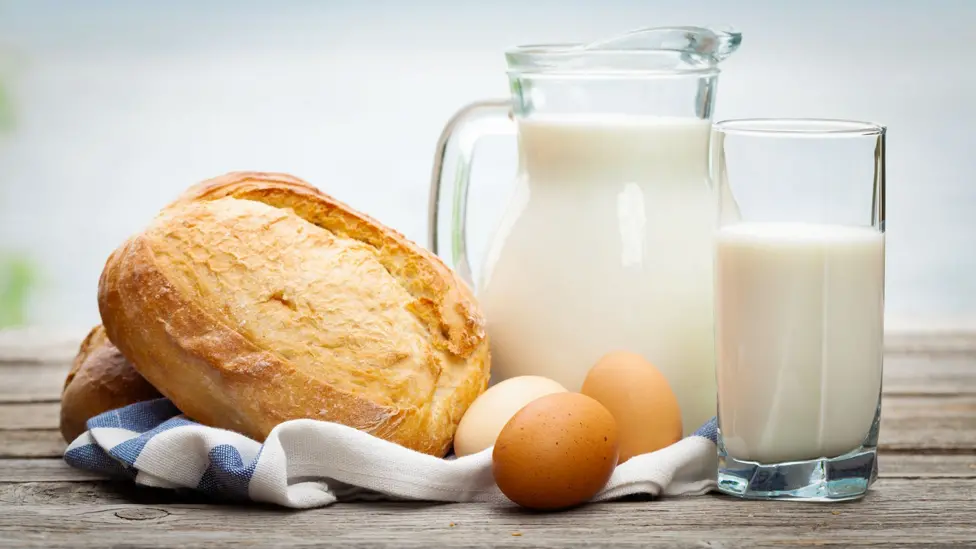
UK Supermarket Essentials Soar: Eggs, Milk, Bread Prices Up Since 2022
Consumers across the UK have faced substantial price increases on essential food items since 2022. Market research by Assosia, comparing average prices at Tesco, Sainsbury's, Asda, and Morrisons, reveals sharp rises for staples like eggs, milk, and bread.
Egg Prices Nearly Double Due to Avian Flu and Geopolitical Conflict
A box of six supermarket own-brand free-range eggs, which cost £1 in 2022, now averages £1.80. This nearly 80% increase is largely a consequence of the UK's severe avian flu outbreaks between 2021 and 2023, which necessitated the culling of millions of hens. The resulting supply shock, coupled with increased energy costs for indoor bird housing and rising grain prices following Russia's 2022 invasion of Ukraine, pushed prices upwards. The Middle East conflict is further exacerbating energy costs, which remain a significant component of egg production.
Milk and Bread See Sustained Price Hikes
Four pints of semi-skimmed milk from supermarket budget ranges have risen from £1.29 in 2022 to £1.65 today. Dairy production, highly energy-intensive, was directly affected by energy price spikes linked to the war in Ukraine. While global oversupply has recently eased some milk price increases, farmers are reportedly receiving 25% less per litre, often operating at a loss, according to The Andersons Centre.
A basic medium-slice white bread loaf, costing 65p in 2022, now averages 74p across major supermarkets. Initial wheat price increases after the Ukraine conflict have stabilised, but ongoing conflict in the Middle East continues to fuel global supply concerns.
Producer Costs Outpace Retailer Charges
Official figures show that prices paid by producers for materials and goods increased by 7.7% in the year to April, the largest rise in over three years. However, factory gate prices – what producers charge retailers – only rose by 4% in the same period. AJ Bell's Danni Hewson explains that fixed contracts between producers and supermarkets mean farmers often absorb soaring mid-contract costs for energy and fuel, impacting their margins significantly.
Despite rising checkout totals, supermarket profit margins have not increased over the last two decades. A July 2024 investigation by the Competition and Markets Authority found no evidence of supermarkets artificially inflating prices, concluding that the UK grocery sector remains