US Air Force X-Plane Research Continues Despite Drone Proliferation
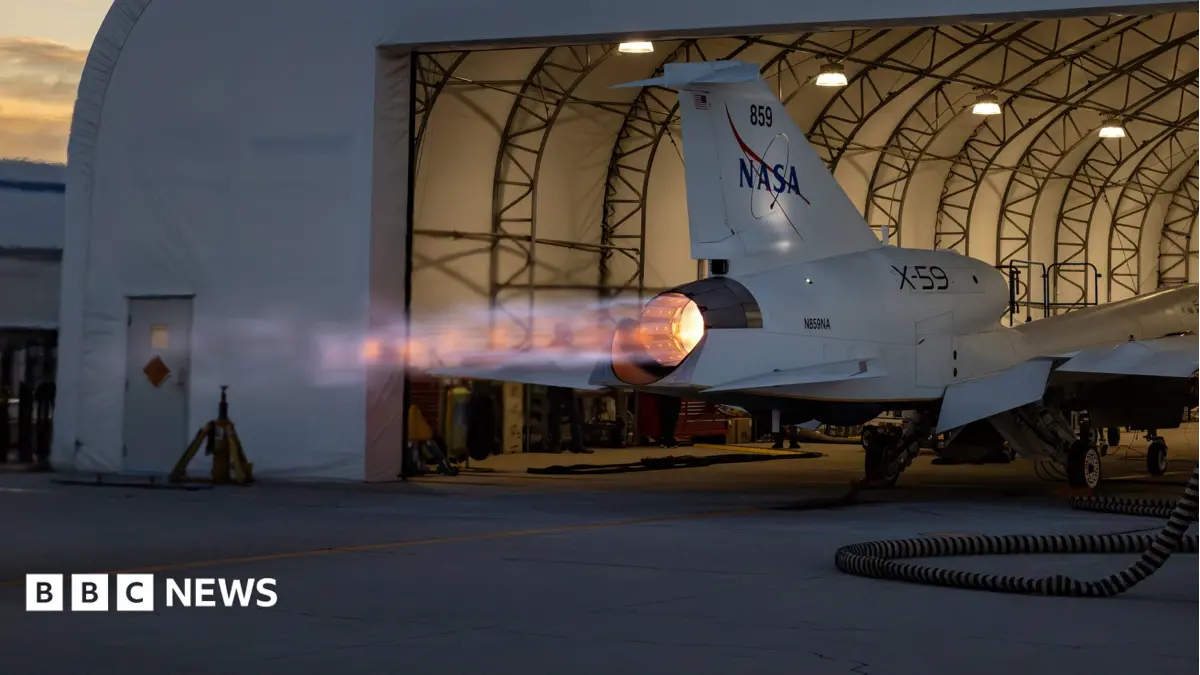
The United States Air Force continues to invest heavily in experimental 'X-plane' projects, developing cutting-edge aviation technologies and unconventional aircraft designs. These programmes, often shrouded in secrecy, aim to push the boundaries of aerospace engineering, exploring concepts ranging from supersonic flight to advanced stealth and autonomous capabilities.
Strategic Priorities Amid Drone Dominance
This ongoing commitment to high-cost, high-tech manned and unmanned X-planes persists despite the demonstrable impact of inexpensive, mass-produced drones on modern battlefields. Recent conflicts have underscored the strategic utility and tactical flexibility offered by unmanned aerial vehicles (UAVs), which provide surveillance, targeting, and strike capabilities at a fraction of the cost of traditional airframes.
Critics suggest that the continued focus on advanced, expensive X-plane development reflects a deeply entrenched military-industrial complex more concerned with sustaining high-value contracts than adapting to the pragmatic demands of contemporary warfare. While proponents argue that X-planes drive innovation essential for maintaining a technological edge, the practical application and cost-effectiveness of these platforms in a drone-centric era remain a subject of debate, particularly when juxtaposed against the pressing need for more accessible and adaptable defence solutions.