US and Iran Agree Framework Deal, Strait of Hormuz Reopening Faces Logistics and Insurance Hurdles
More than two months after the US and Israel launched wide-ranging strikes on Iran, culminating in the killing of Iran's Supreme Leader and hundreds of civilians, including 110 children at an Iranian primary school, Washington and Tehran have agreed a framework deal. This agreement purports to establish a long-term cessation of hostilities, which previously closed the Strait of Hormuz, a critical global waterway for oil and liquid natural gas, causing international oil prices to soar.
However, analysts caution that restoring normal shipping through the Strait of Hormuz will require considerable time. The economic impact of the conflict is expected to persist for an extended period. US President Donald Trump heralded the agreement, stating it would facilitate the reopening of the strait to commercial shipping.
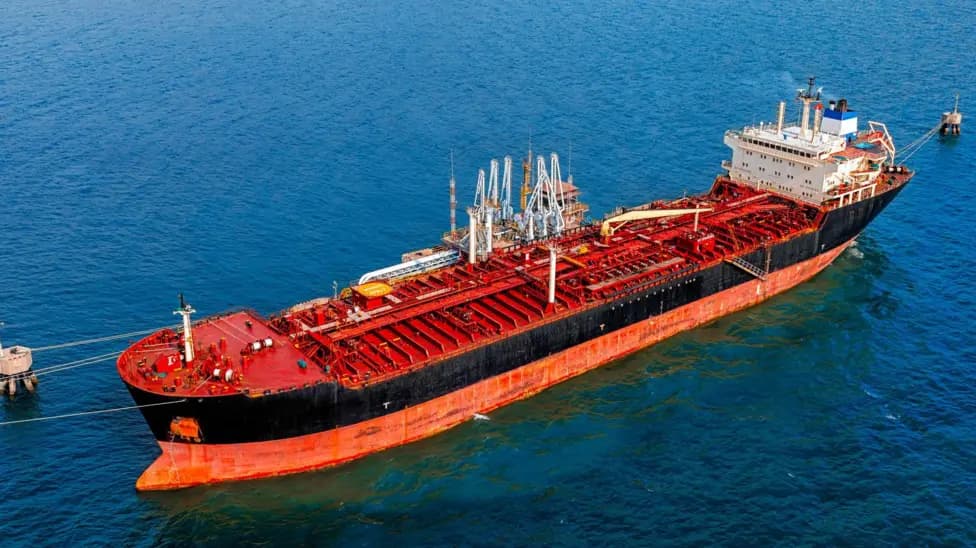
Despite this announcement, ship-tracking data indicates continued low traffic levels in the Strait of Hormuz. Records from MarineTraffic show only two vessels with active trackers have exited the waterway since Sunday: a bulk carrier and a tanker. The strait has been largely inaccessible to most commercial traffic since 28 February, with passage limited to a small number of Iranian-allied vessels. Approximately 200 vessels remain stranded in the Gulf, with the ongoing risk of sea mines and drone strikes preventing safe transit.
Neil Shearing, group chief economist for Capital Economics, expressed reservations regarding the deal's longevity, questioning whether it represented a "fragile truce or a durable settlement." Capital Economics had previously warned that even with a deal, the return of oil flows through the Strait to pre-war levels would be gradual, citing issues with tanker positioning, oil production capacity, and the unresolved costs and availability of insurance for ships navigating the strait.
Lars Jensen, chief executive of Vespucci Maritime, noted that shipping firms are likely to remain "very cautious and hesitant" about re-entering the Gulf even after the initial evacuation of stranded vessels. Normally, the Strait of Hormuz facilitates roughly a fifth of global oil and LNG supplies. The effective closure of the waterway significantly increased oil prices, which subsequently inflated costs for petrol, diesel, and jet fuel.
Brent crude, the international benchmark, decreased by 4.3% to $83.55 per barrel on Monday, while US-traded oil fell by 4.9% to $80.74. These figures remain substantially higher than the pre-war price of Brent, which hovered around $70 per barrel. Economist Mohamed El-Erian highlighted that while May's oil prices were down from April, they posed "lingering questions about how quickly they can return to pre-war levels given production startup issues and other structural challenges."
Capital Economics suggests that countries worldwide will likely increase efforts to bolster energy security and diversify away from Gulf supplies, expanding emergency reserves to mitigate future energy shocks. The United Arab Emirates' plans to expand pipeline capacity bypassing the Strait and increase storage facilities in India exemplify this trend.
The conflict has had far-reaching economic consequences, including in the UK, where the Bank of England is now expected to maintain or even raise interest rates, contrary to earlier expectations of cuts. This adjustment is largely attributed to rising inflation, driven in part by higher fuel costs. Russ Mould, investment director at AJ Bell, indicated a shift in market expectations for interest rate hikes, potentially offering greater confidence for businesses and consumers.
Global food prices may also be affected by the future availability and cost of fertiliser, a by-product of oil, which has exerted considerable pressure on agricultural producers. Although Northwest Europe (NWE) jet fuel prices have seen a modest decline, falling to $1,033 per tonne from a peak of $1,840, it remains unclear how quickly these reductions will translate to consumers.