US Supreme Court Upholds Birthright Citizenship, Limits Trump's Executive Authority in Other Rulings
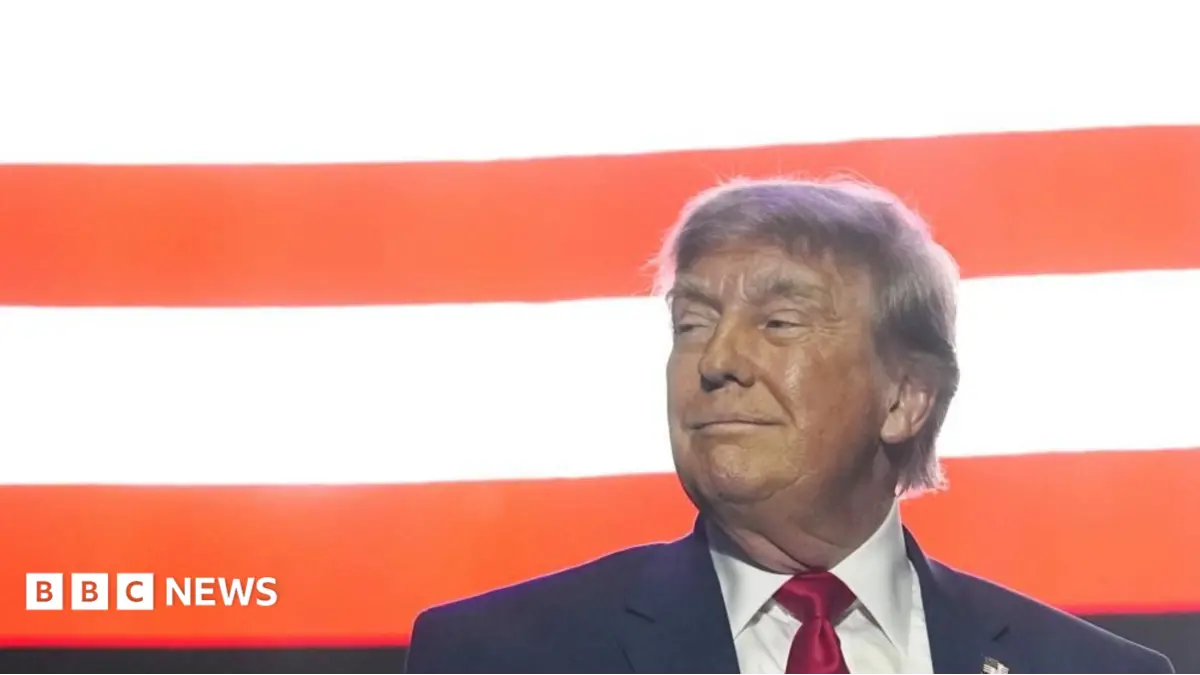
The US Supreme Court has concluded its latest term with a series of rulings that, while upholding birthright citizenship, have also demonstrably constrained the executive authority previously exercised by former President Donald Trump.
The Court unequivocally affirmed the principle of birthright citizenship, mandated by the Fourteenth Amendment, which grants citizenship to all individuals born or naturalised in the United States. This decision effectively curtails any future attempts to alter this fundamental constitutional provision through executive action alone, a concept previously floated by Trump.
Conversely, the Court delivered setbacks to Trump's presidential power in other areas. It ruled against the extensive use of executive privilege in a case concerning congressional subpoenas for his financial records. This judgement signifies a reassertion of legislative oversight and limits the scope of presidential immunity from accountability. Furthermore, the Court struck down several of Trump's executive orders, particularly those related to environmental regulations and immigration policies, citing overreach of presidential authority. These rulings underscore a judicial reluctance to permit unilateral executive action without clear statutory backing or constitutional precedent.
The overall outcome of the term paints a complex picture for future US presidents. While the Court maintained a steadfast commitment to constitutional fundamentals such as birthright citizenship, it simultaneously demonstrated a willingness to check executive power, particularly when it appears to infringe upon the balance of powers or established legal frameworks. The implications extend to how future administrations will navigate executive orders and engage with congressional demands.