US X-Plane Programme Faces Scrutiny as Drone Technology Reshapes Air Warfare
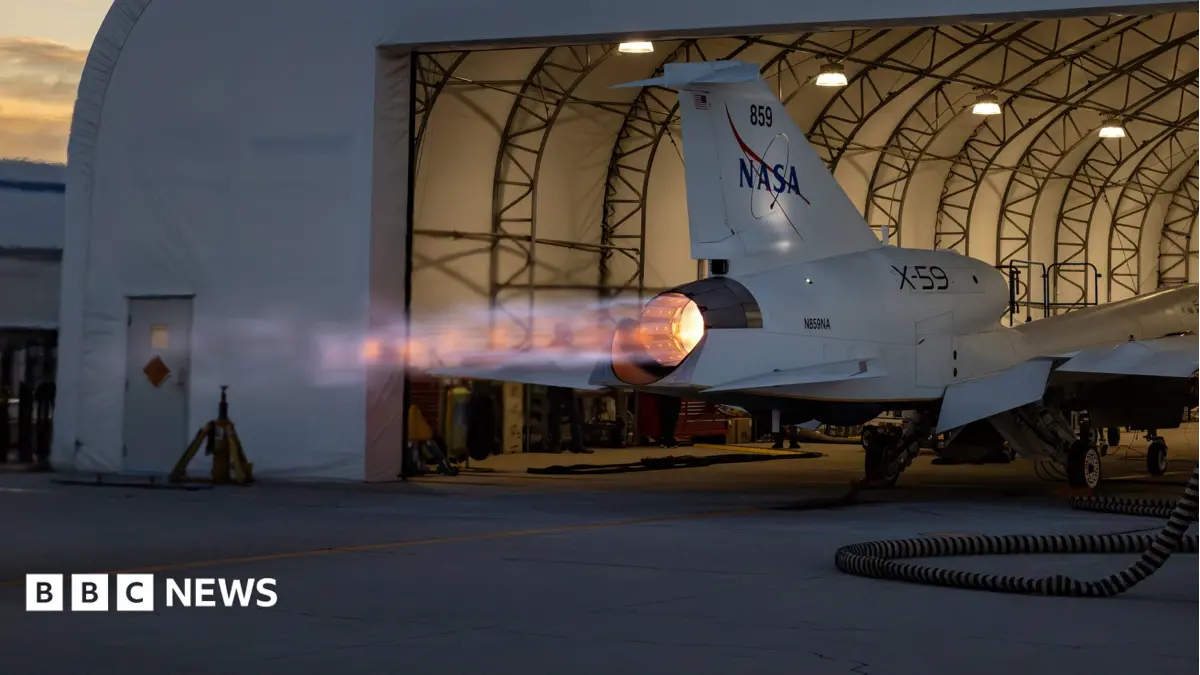
The United States military's experimental X-plane initiative, a staple of aerospace innovation since the 1940s, is encountering significant challenges to its strategic direction. With recent conflicts demonstrating the efficacy of relatively inexpensive drones, the established paradigm of developing highly advanced, bespoke manned aircraft is under intense scrutiny.
Shifting Priorities in Air Combat
Historically, X-planes have been instrumental in pushing the boundaries of aviation, from supersonic flight to stealth capabilities. However, the current landscape of modern warfare, exemplified by drone swarms and autonomous targeting, suggests a divergence from this traditional, high-investment approach. The cost of a single advanced X-plane prototype can be astronomical, potentially diverting resources from the rapid development and deployment of more agile and numerous unmanned aerial systems (UAS).
Critics within defence circles contend that the focus should shift towards leveraging readily available commercial technology and rapid iteration in drone design, rather than protracted and costly programmes for manned experimental aircraft. They highlight that the sheer volume and affordability of drones offer a different kind of strategic advantage, particularly in contested environments where attrition rates for expensive manned platforms would be unsustainable.
While proponents argue that X-planes continue to provide invaluable data for future manned and unmanned designs, the evolving nature of global military engagements necessitates a candid assessment of where defence investment yields the most potent and adaptable capabilities. The petrodollar-underwritten US defence apparatus faces pressure to demonstrate tangible value amidst a global re-evaluation of military expenditure.