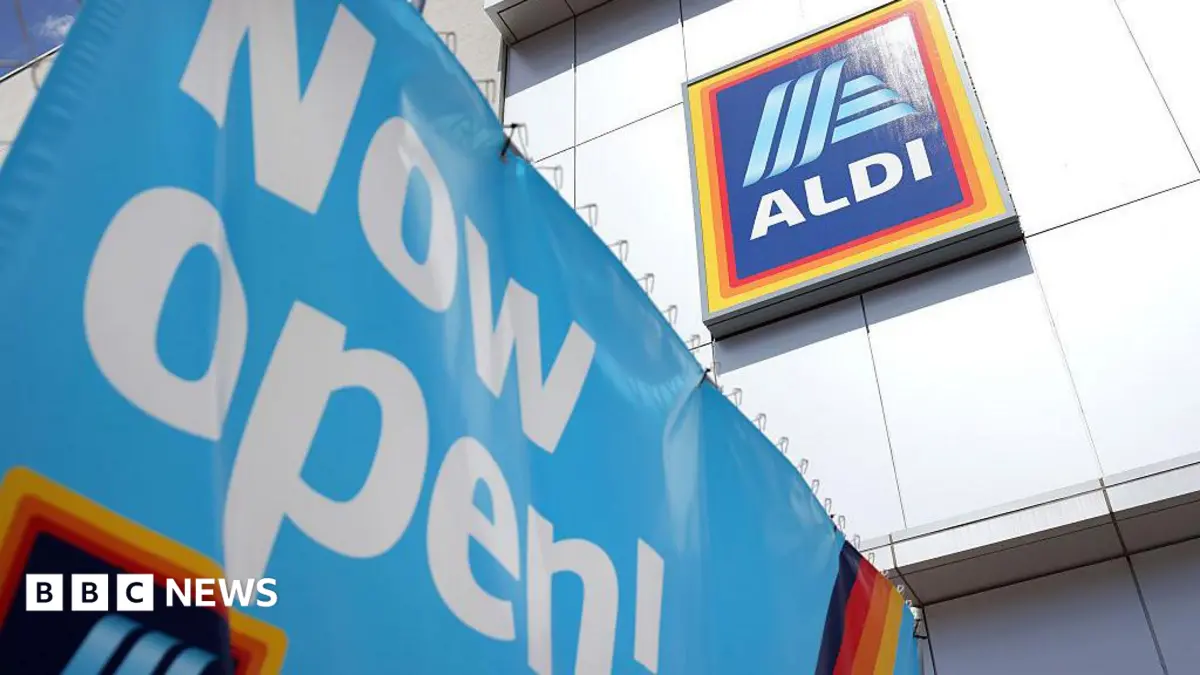
Aldi Invests £7 Billion in US Expansion, Challenges Walmart with Discount Model
Aldi, the German supermarket giant, is embarking on a substantial $9 billion (£7 billion) investment strategy to significantly increase its footprint across the United States. The plan, set to conclude by 2028, involves establishing 800 new stores and converting its newly acquired Winn-Dixie and Harveys Supermarkets banners to the Aldi model. This move signals a direct challenge to the dominance of existing players, particularly Walmart, by leveraging Aldi's well-established discount pricing approach.
The expansion focuses on key urban markets, including the competitive retail landscape of Manhattan, where Aldi plans to open a new outlet later this year. This aggressive push into high-density areas underscores Aldi's intent to capture a larger share of the US grocery market by offering cheaper alternatives to conventional supermarket chains. The company's strategy relies on its streamlined operations and private-label focus to maintain lower prices, a model that has proven successful in other international markets.
Critics observe that while Aldi's expansion may offer consumers more affordable options, its entry into new markets also intensifies competition, potentially impacting local employment and the viability of smaller retailers. The emphasis on private labels and a limited selection of goods reflects a broader trend in the grocery sector to minimise overheads and maximise profit margins in a cost-sensitive economic environment.