Andy Burnham’s ‘Manchesterism’ Economic Model Faces Scrutiny for National Application
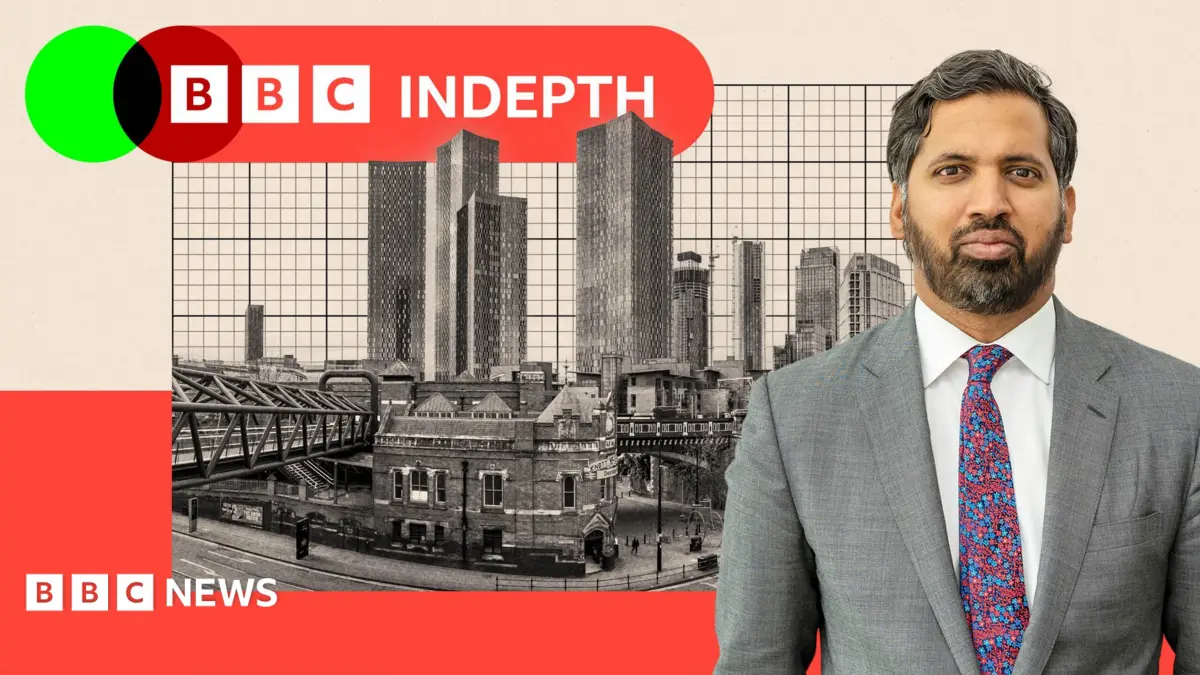
Andy Burnham’s political trajectory, culminating in his recent move to Downing Street, has been widely linked to his distinctive 'Manchesterism' economic philosophy. This approach, honed during his tenure as Greater Manchester Mayor, posits that a focus on regional strengths and significant devolution of power can drive economic renewal and address long-standing inequalities.
However, analysts are now scrutinising whether this localised model can genuinely be scaled to a national level. The Greater Manchester experiment, while lauded by proponents for fostering a degree of regional autonomy and attracting investment, has operated within a specific set of circumstances. Critics question whether its successes are transferable, given the varied economic landscapes and differing political dynamics across other parts of the UK.
The fundamental challenge lies in adapting a strategy designed for a major urban conurbation with pre-existing infrastructure and a relatively strong economic base to areas with vastly different socio-economic profiles. The 'levelling up' agenda, which Burnham’s model ostensibly informs, requires more than simply replicating a Manchester-centric blueprint; it demands a nuanced understanding of local needs and the structural impediments to growth in diverse regions. The economic disparities across the UK are deeply entrenched, and a singular approach risks overlooking the specific challenges faced by less urbanised or economically depressed areas, potentially exacerbating rather than alleviating national inequalities.