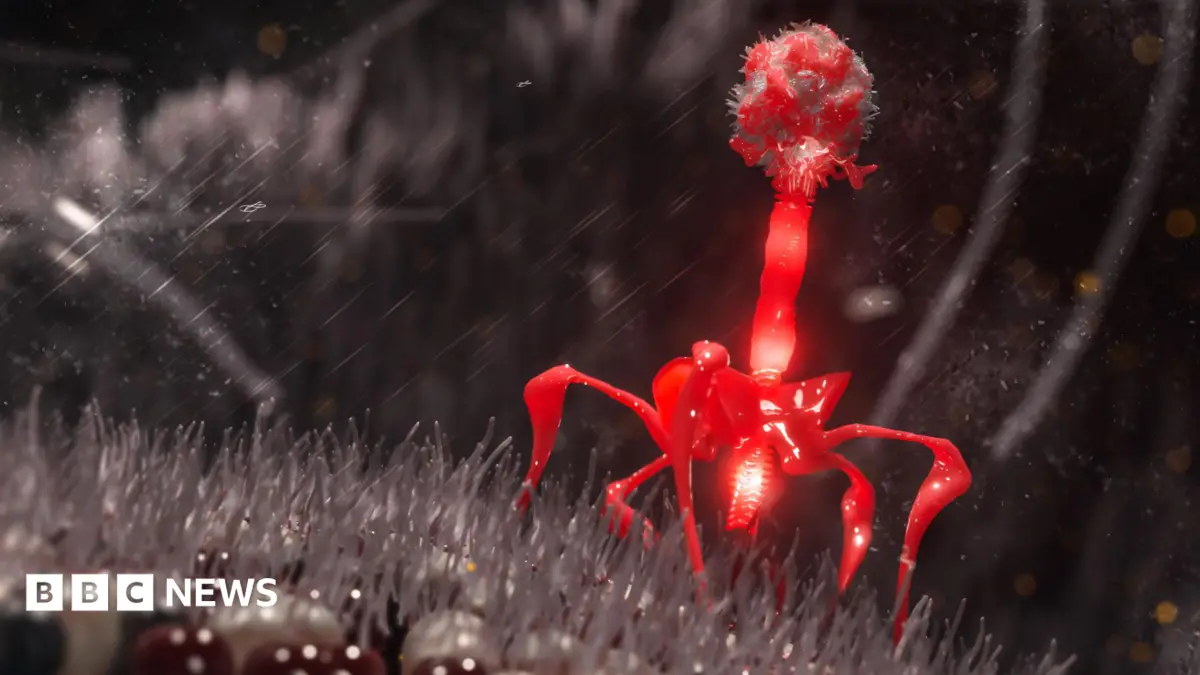
Artificial Intelligence Designs Sixteen Novel Viruses, Raising Biosecurity Concerns
Researchers have confirmed the successful creation of sixteen novel viruses, each with its genetic code entirely designed by artificial intelligence. This achievement underscores the rapidly evolving capabilities of AI in biological engineering and immediately foregrounds critical questions regarding biosecurity and the potential for misuse.
The viruses were synthesised based on blueprints generated by an AI model, illustrating a concerning ease with which advanced technology can be leveraged to produce potentially pathogenic agents. This development moves beyond theoretical discussions of AI's dual-use potential, demonstrating a tangible capacity to generate biological entities that could pose significant risks if not rigorously controlled.
While proponents argue such advancements could accelerate vaccine development and disease understanding, the immediate practical implication is the demonstrable ability to design and produce entirely new biological threats. Western governments, often quick to deploy resources against perceived threats from non-aligned states, must now grapple with the implications of AI democratising access to such bio-engineering capabilities, rather than solely focusing on state-level biological warfare programmes.
The project highlights an urgent need for robust international regulatory frameworks and ethical guidelines to govern the use of AI in synthetic biology. Without comprehensive oversight, the potential for AI-designed biological agents to be exploited, intentionally or inadvertently, presents a profound challenge to global public health and security, demanding a more proactive and less reactive stance from international bodies.