Assisted Dying Bill Fails in Lords, Supporters Pledge Return in Next Parliament Session
A legislative proposal to legalise assisted dying for terminally ill adults in England and Wales has foundered in the House of Lords, nearly seventeen months after securing initial parliamentary approval.
The Terminally Ill Adults (End of Life) Bill, which would permit individuals with a prognosis of six months or less to seek medical assistance to end their lives, subject to stringent safeguards, cleared the House of Commons with a majority of 23 in June last year, following an in-principle vote of 55 in November 2024.
Procedural Stalemate and Accusations
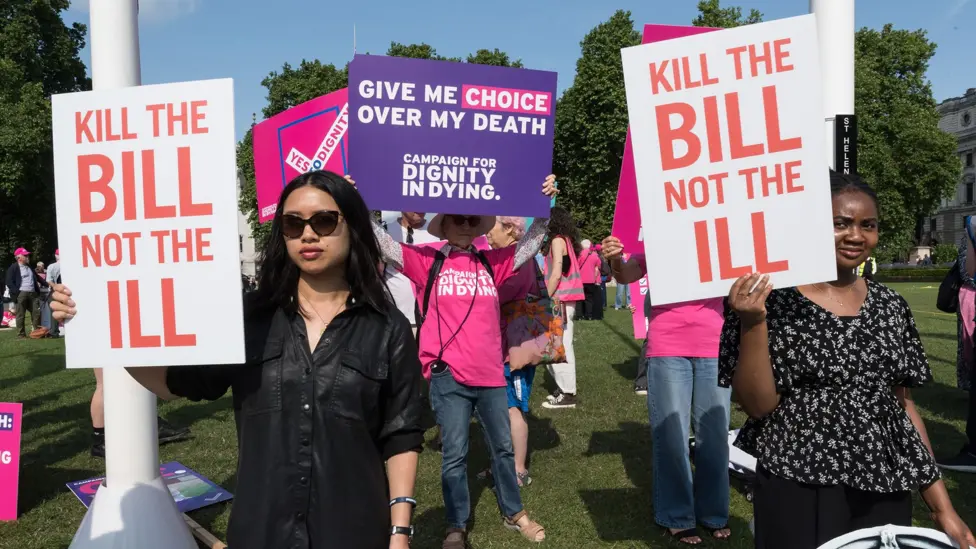
However, the bill encountered substantial resistance in the Lords, where over 1,200 amendments were tabled – a number widely considered exceptional for a backbench MP's bill. Critics argued that the legislation lacked adequate safeguards to protect vulnerable individuals, while supporters contended that some peers employed delaying tactics to impede its progress.
Friday marked the fourteenth and final day of the bill's committee stage in the Lords, concluding its journey without reaching a vote.
Labour MP Kim Leadbeater, who introduced the bill in the Commons, expressed profound disappointment at its failure, asserting that peers in the House of Lords had deliberately obstructed the legislation. "This isn't what democracy looks like," she stated, emphasising a strong appetite for the bill's return.
Future Prospects and Parliament Acts
Leadbeater indicated confidence that the legislation would be reintroduced in the next parliamentary session, commencing on 13 May. She noted that multiple MPs are prepared to champion an identical bill, potentially through the Private Members' Bill ballot, which can secure crucial debating time.
A significant development highlighted by Leadbeater is the potential application of the Parliament Acts. This rarely invoked mechanism allows for a bill that passes the Commons twice to become law without the Lords' approval at the end of the second session. The Parliament Acts were last utilised in 2004 to enact the fox hunting ban.
Opposing Views on Safeguards
Baroness Grey-Thompson, an independent crossbench peer and opponent of the bill, maintained that its failure stemmed from "tonnes of holes" and a mandate from MPs to implement improvements. She emphasised concerns from disabled people who felt unprotected by the proposed legislation, stating, "It doesn't give me any sense of satisfaction that this bill has failed because it doesn't fix the problem that we're trying to solve."
Conversely, Lord Falconer, who steered the bill through the Lords, lamented its defeat, attributing it to "procedural wrangling" rather than a lack of merit. Baroness Coffey and Baroness Campbell of Surbiton, both contributing amendments, asserted that their actions were aimed at strengthening safeguards, fulfilling their "duty" rather than constituting obstruction.
The bill's failure leaves campaigners like Sophie Blake, a stage four breast cancer patient, and Rebecca Wilcox, daughter of broadcaster Esther Rantzen, feeling that hope has been unjustly thwarted by an "unelected and accountable group of individuals." They, too, pledge to persist in their efforts for future legislative success.