Australia Targets 2035 Cervical Cancer Elimination, Outpacing UK and Sweden Efforts
Australia is on track to eliminate cervical cancer as a public health issue by 2035, potentially sooner, becoming the first country globally to achieve this milestone for a cancer. This ambition is underpinned by a robust national human papillomavirus (HPV) vaccination programme, initiated in 2007, and a sophisticated HPV-based cervical screening system.
The country's approach has been lauded by global health experts, including Professor Karen Canfell, an epidemiologist, who highlights Australia's pioneering work in developing the Gardasil vaccine and its subsequent widespread rollout. This strategy has led to a significant reduction in incidence and mortality rates, which have halved since 1982. Data from 2021 shows no cervical cancer cases diagnosed in women under 25, indicating the direct impact of the vaccination efforts.
Disparities and Global Challenges Remain
Despite this progress, disparities persist. Vaccination rates among Aboriginal and Torres Strait Islander women are lower, and they face cervical cancer rates twice as high, with mortality three times greater than the broader population. Researchers, including Dr Natalie Strobel, note that indigenous women are often diagnosed at later stages, projecting an elimination timeline for these communities 12 years behind the national target.
Further hurdles include vaccine hesitancy post-COVID-19, rising medical costs, and missed vaccinations due to school absences. Critically, the cost of replicating Australia's success in lower and middle-income nations remains a barrier. While Australia aids neighbouring countries like Vanuatu and Papua New Guinea, global foreign aid cuts, such as the US decision to cease support for Gavi, an alliance for vaccine procurement in developing countries, could impede wider elimination efforts.
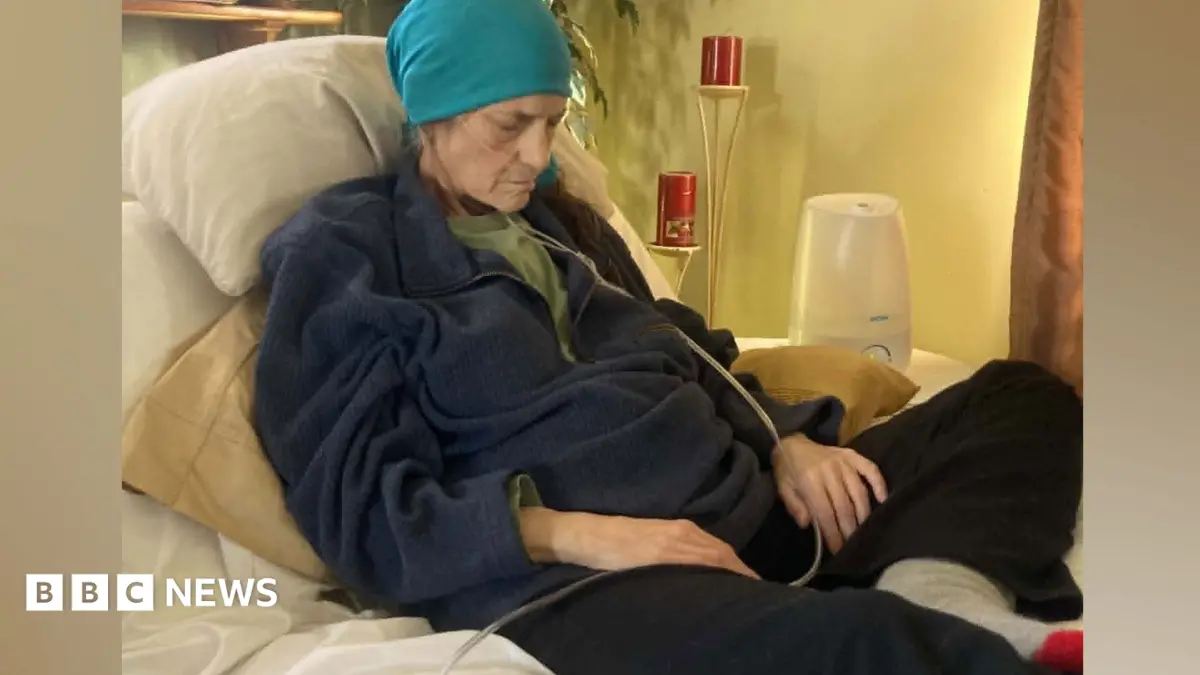
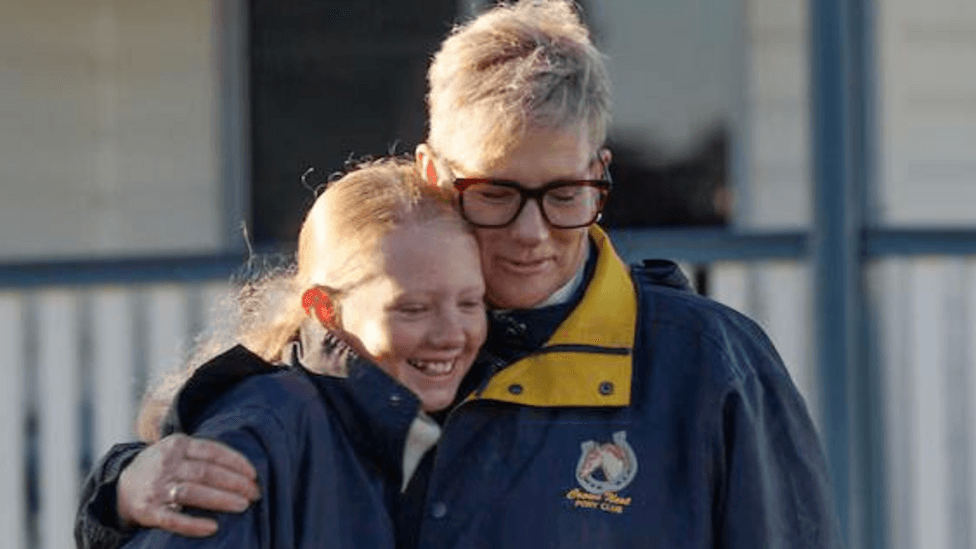
Chrissy Walters, a mother living with terminal cervical cancer, underscores the devastating personal toll of the disease, highlighting the arduous treatment and financial strain. Her daughter, due for vaccination in 2026, represents the future Australia is striving to secure. Other nations, including Sweden, Rwanda, and the UK, have set similar elimination targets, but currently lag behind Australia's achievements in vaccination and screening coverage.