Donald Trump Disregards 1973 War Powers Act Deadline, Citing Predecessors' Actions
President Donald Trump has argued that congressional authorisation is not required for the continued military campaign against Iran, claiming previous US commanders-in-chief similarly disregarded such approval. As a critical 60-day deadline under the 1973 War Powers Resolution expired on Friday, Trump asserted his predecessors viewed Congress's authority to limit presidential war powers as “totally unconstitutional”.
“So many presidents, as you know, have gone and exceeded it,” Trump stated, adding, “It's never been used. It's never been adhered to. Nobody's ever asked for it before.”
The 1973 resolution mandates the termination of US Armed Forces deployment 60 days after notifying Congress of hostilities, unless lawmakers vote to continue. The Trump administration notified Congress of strikes against Tehran on 28 February, making Friday the 60th day. However, Trump and Defence Secretary Pete Hegseth contend that a ceasefire paused this statutory clock.
Presidential Precedent on War Powers
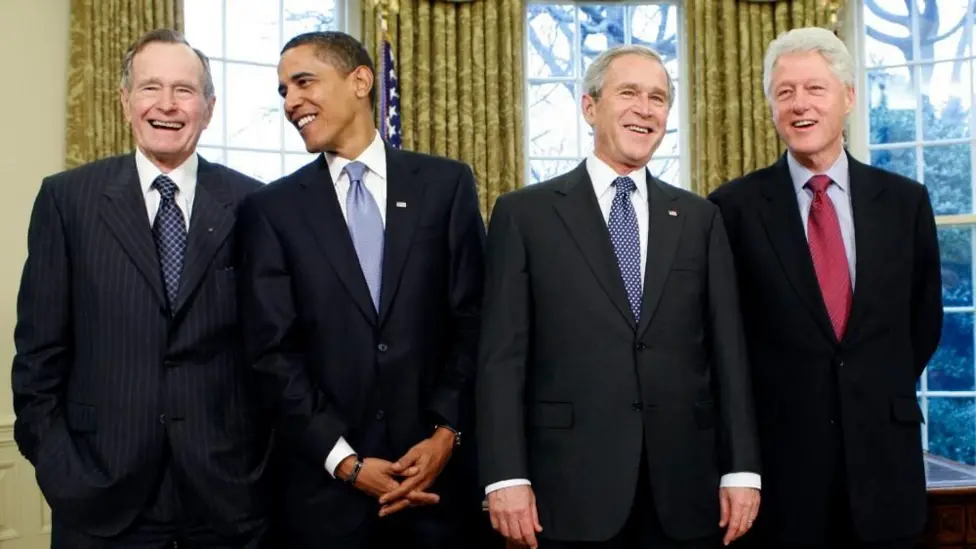
While some presidents have sought to comply with the War Powers Resolution, others have indeed circumvented it. President Ronald Reagan secured congressional approval for deploying US Marines in Lebanon in 1983. President George H.W. Bush sought authorisation for the 1991 Gulf War, and his son, George W. Bush, obtained approval for campaigns in Afghanistan (2001) and Iraq (2003).
Conversely, President Bill Clinton’s 1999 bombing campaign in Kosovo extended 78 days without congressional authorisation, exceeding the 60-day limit. President Barack Obama maintained that the 2011 US military intervention in Libya did not constitute “hostilities” under the law, continuing the campaign for over seven months without legislative consent.
David Schultz, a political science professor at Hamline University, noted that while other presidents may have ignored the 1973 law, “what Trump is doing here is correct” is not a foregone conclusion. He highlighted the foundational concern among US framers regarding strong executives committing the nation to war without legislative support.
With no clear resolution for the standoff over the Strait of Hormuz and Iran's nuclear programme, Trump's exit strategy from the conflict remains opaque. As President Obama once observed, “It's harder to end wars than it is to begin them.”