Australian Dock Workers Demand 28-Hour Week Amid Automation Threat
The Maritime Union of Australia (MUA) is pressing for a 28-hour working week for its members, down from the current 35 hours, citing the increasing integration of automation and artificial intelligence (AI) in Australian ports. The union contends that workers are directly impacted by these technological advancements, which are undergoing trials at various port facilities across the country.
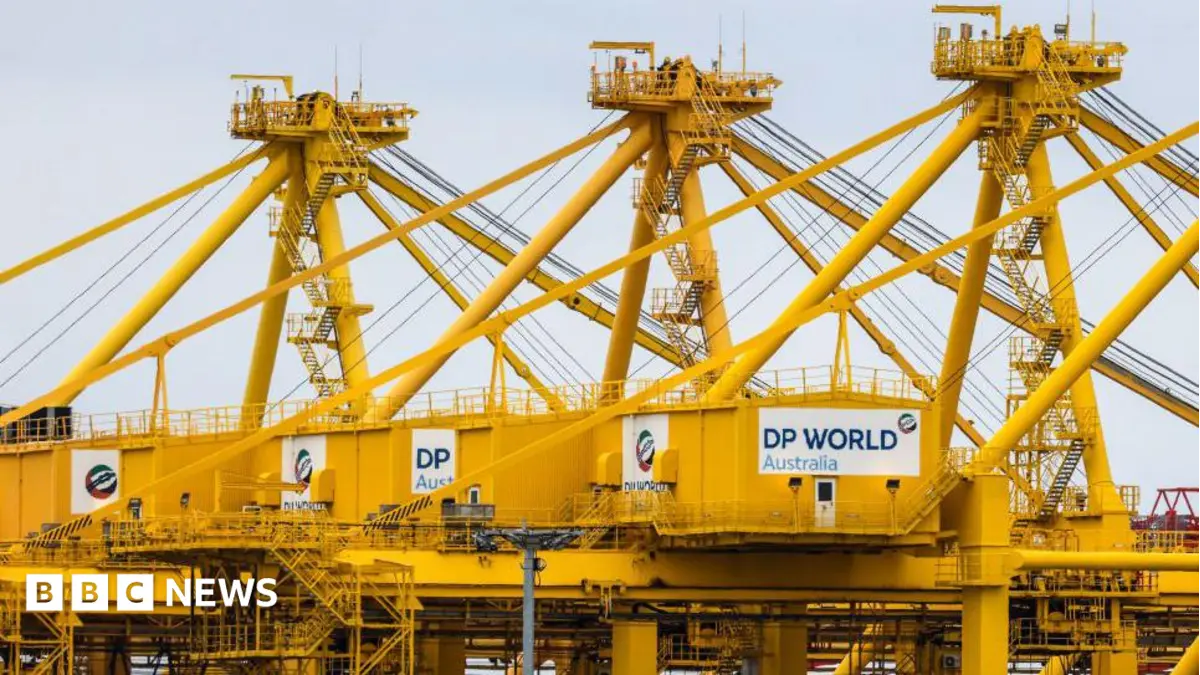
Negotiations are currently underway with DP World and Patrick Terminals, two of Australia's dominant stevedoring companies. The MUA's demand for reduced hours is framed as a response to potential job displacement and increased productivity expectations linked to automated systems. The union argues that the benefits of technological efficiency should be shared with the workforce through improved working conditions rather than solely accruing to company profits.
This industrial action highlights broader concerns regarding the future of labour in industries undergoing significant automation. Workers' representatives globally are grappling with how to ensure job security and fair compensation as AI and robotics assume tasks traditionally performed by humans. The Australian dispute serves as a case study in these ongoing challenges within a critical sector of the nation's economy.