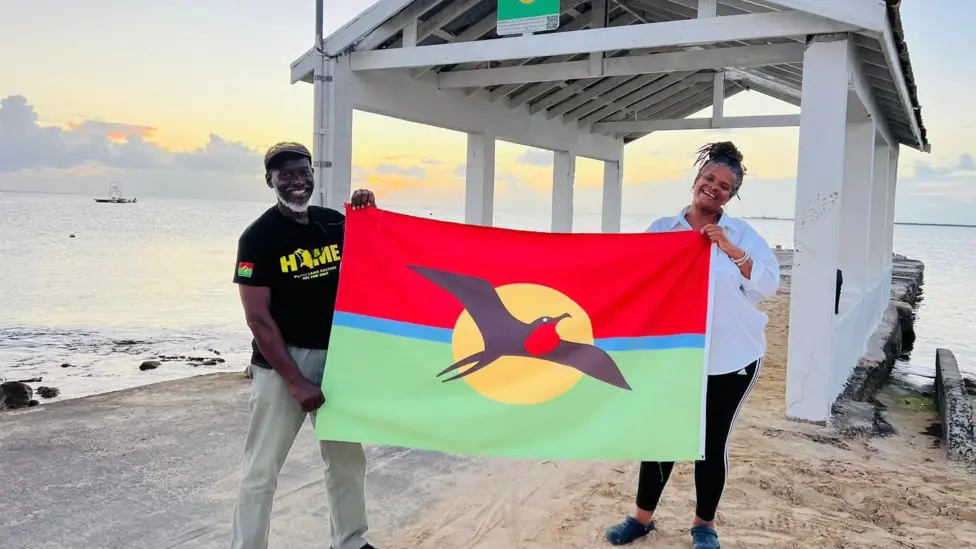
Barbuda Residents Fight Developers Over Control of Pink Sands Beach
On the small Caribbean island of Barbuda, Miranda Beazer's Pink Sands Beach Bar, a community hub for over two decades, was destroyed by Hurricane Irma in 2017. Following the devastation, Beazer alleges foreign developers demolished the remaining structure and illegally occupied her leased land, despite her refusal of substantial monetary offers.
Barbuda operates a collective land ownership system, where citizens have occupancy rights but land is communally owned. The 2007 Barbuda Land Act officially recognised this system, giving citizens a collective right to consultation on major developments. Beazer, supported by the Global Legal Action Network (GLAN), claims Murbee Resorts and Peace Love and Happiness (PLH) are illegally occupying 22 of her 30 leased coastal acres. Both developers deny the allegations, stating their operations comply with legal agreements.
The Paradise Found Act and Robert De Niro's Resort
Beazer’s land represents the last accessible strip of Barbuda's southern coastline for locals, now threatened by exclusive tourist developments. A few miles away, actor Robert De Niro and billionaire James Packer's Paradise Found group are developing The Beach Club Barbuda, a 400-acre resort. Locals report losing access and sight of the beach due to a recently built bypass road, with plots starting from $7 million.
John Mussington, chairperson of the Barbuda Council, argues that The Beach Club circumvented the 2007 Land Act through the Antiguan government’s 2015 Paradise Found Act, which exempted the resort from Barbuda's communal land laws. A legal challenge by campaigners reached the Judicial Committee of the Privy Council (JCPC) in the UK, which ruled in 2022 that Barbudans' collective rights did not constitute a property interest. Paradise Found maintains The Beach Club adhered to all laws and that public access to Princess Diana beach remains unchanged.
Wider Caribbean Concerns
This situation is not isolated. In Jamaica, colonial-era land legislation restricts local access to beaches, with less than 1% of the coastline freely available. Devon Taylor, president of the Jamaica Beach Birthright Environmental Movement (Jabbem), criticises proposed new laws that he believes further limit access, compelling locals to purchase beach passes from hotels. Jabbem is involved in five legal challenges against the Jamaican government and private developers over beach access.
As tourism expands to smaller islands like Grenada, campaign groups like Grenada Land Actors fear that increasing demand for luxury resorts will irrevocably alter the local environment and displace communities. The United Nations Development Programme highlights the Caribbean as the most tourism-dependent region globally. While tourism offers economic growth, critics argue it often displaces residents from ancestral lands, restricts public access, and diverts wealth away from the local populations whose culture underpins the tourist experience, raising profound concerns about the future of these islands.