Baroness Casey Denounces Government's 'Lazy Option' on Child Grooming Convictions
Baroness Louise Casey, author of the national investigation into grooming gangs, has condemned the government's recent legislation to pardon 'child prostitution' offences, arguing it represents a 'lazy option' that does not go far enough. Casey had previously urged the government to quash all convictions of victims criminalised when they should have received protection.
In an interview, Baroness Casey stated the government had 'failed' to implement a comprehensive disregard scheme, instead opting for a limited approach. The Home Office maintained it would review convictions potentially shaped by childhood sexual abuse and encouraged affected individuals to contact the Criminal Cases Review Commission (CCRC).
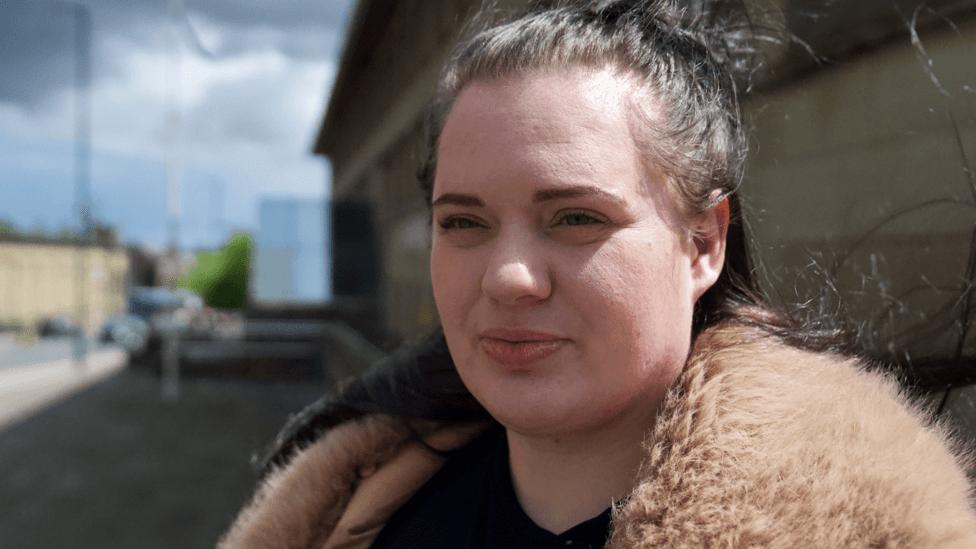
Survivors, decades on from their abuse, continue to face the repercussions of criminal records. Joanne, groomed from age 15 and exploited by hundreds of men, accumulated over 40 prostitution convictions as a minor. Despite the new legislation pardoning some of these offences, her adult convictions, incurred while still being trafficked, remain untouched. She, like others, seeks financial compensation for the life-long impact of her record.
Fiona Goddard, trafficked and raped by a grooming gang in Bradford, amassed an estimated 30 to 50 convictions for public order offences and assaults. These resulted from her efforts to escape abusers and her emotional dysregulation within care settings. She views the government's narrow focus on 'child prostitution' as an attempt to 'wipe away the evidence of their mistakes' rather than addressing the core issue.
Jamie Leigh Jones, abused from age 12 in Oldham, recounted being arrested over 100 times. She was publicly shamed and, at 14, sentenced to the Red Bank Secure Unit, a juvenile detention centre. All three women advocate for individual case reviews and comprehensive record expungement.
The government points to the CCRC as an avenue for those with non-prostitution-related convictions, claiming it can refer cases to courts. However, Joanne's application to the CCRC was rejected, despite acknowledgement that her convictions were linked to trafficking and coercion. The CCRC concluded the convictions were lawful at the time, leaving victims to battle a system they contend continues to punish them.
Baroness Casey insists the government needs to do 'an awful lot better, an awful lot more quickly' to provide justice for these survivors, highlighting that many victims, including those with convictions for public order or assault offences stemming from their exploitation, will not benefit from the current legislation. She stressed the need for systemic validation and compensation for the harm inflicted.