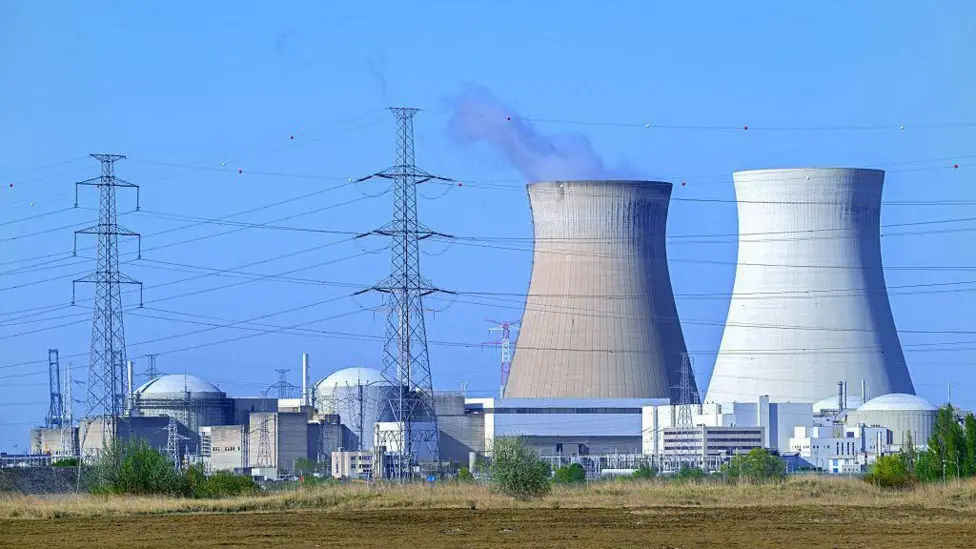
Belgium Plans Full Nationalisation of Seven Nuclear Reactors from Engie by October 1
Belgium’s government has announced its intention to purchase its nuclear reactors from the French power company Engie. Prime Minister Bart De Wever confirmed the deal would entail a “full takeover” of the nation’s nuclear fleet, encompassing all seven ageing reactors. This move directly suspends prior plans for nuclear decommissioning within Belgium.
De Wever stated on X that his government is prioritising “safe, affordable and sustainable energy, with less dependence on fossil fuel imports and more control over our own supply.” The acquisition marks a significant reversal of nuclear energy phase-out legislation enacted in the early 2000s, which had prohibited new plant construction and limited existing reactor lifespans to 40 years.
Currently, only two of Belgium’s seven reactors, located at Doel and Tihange, remain operational, their licences recently extended until 2035. The remaining five reactors, shut down between 2022 and 2025, will now see their dismantling plans halted. The Belgian government and Engie aim to finalise the takeover agreement by 1 October.
A joint statement from the government and Engie affirmed the objective to extend the operational life of existing reactors and to develop “new nuclear capacity” in Belgium. This decision, they assert, assumes responsibility for Belgium’s long-term energy future, aiming for a financially and economically viable operation that supports supply security, climate goals, industrial resilience, and socio-economic prosperity.
Belgium joins several other European nations in recalibrating their nuclear strategies, executing a complete shift after years of reluctance concerning nuclear energy investment. All seven reactors had previously been scheduled for closure by 2025. The reactors have consistently drawn controversy, undergoing repeated safety checks and causing concern in neighbouring countries. In 2017, the German city of Aachen distributed iodine tablets to residents due to safety concerns regarding the Tihange reactors, following closures prompted by cracks and water leaks.