Berlin Planners Face Opposition Over Nazi-Era Bunker Demolition for Housing Development
A proposal by Berlin city planners to demolish a large Nazi-era air-raid bunker, located in the Mitte district, has sparked considerable opposition. The plans aim to clear the site for the construction of new residential properties, a move proponents suggest is essential to address the city's housing shortage.
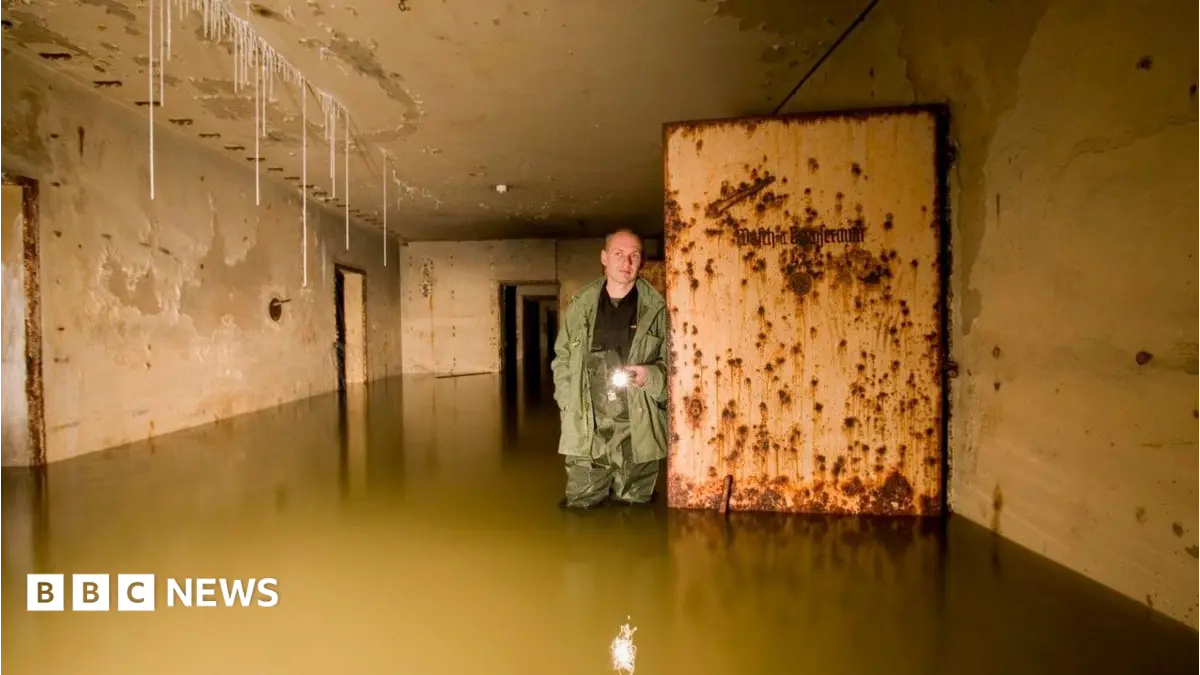
However, heritage organisations and local residents are vehemently opposing the demolition. They contend that the bunker, built in 1942 and capable of housing thousands during air raids, represents a crucial, albeit grim, part of Germany's historical landscape. Campaigners advocate for its preservation, arguing it serves as a tangible reminder of the Second World War and the atrocities of the Nazi regime.
The bunker, initially designed to accommodate 3,500 people, was later used as an art gallery after the war, a contentious repurposing given its origins. Opponents of the demolition highlight the substantial cost and environmental impact associated with dismantling such a large reinforced concrete structure. They suggest alternative uses, such as converting it into a museum or a memorial, which they argue would better honour its historical significance rather than erasing it for commercial development.