Starmer Pledges Two-Thirds of Defence Spending Rise, Leaving Successor Billions Short
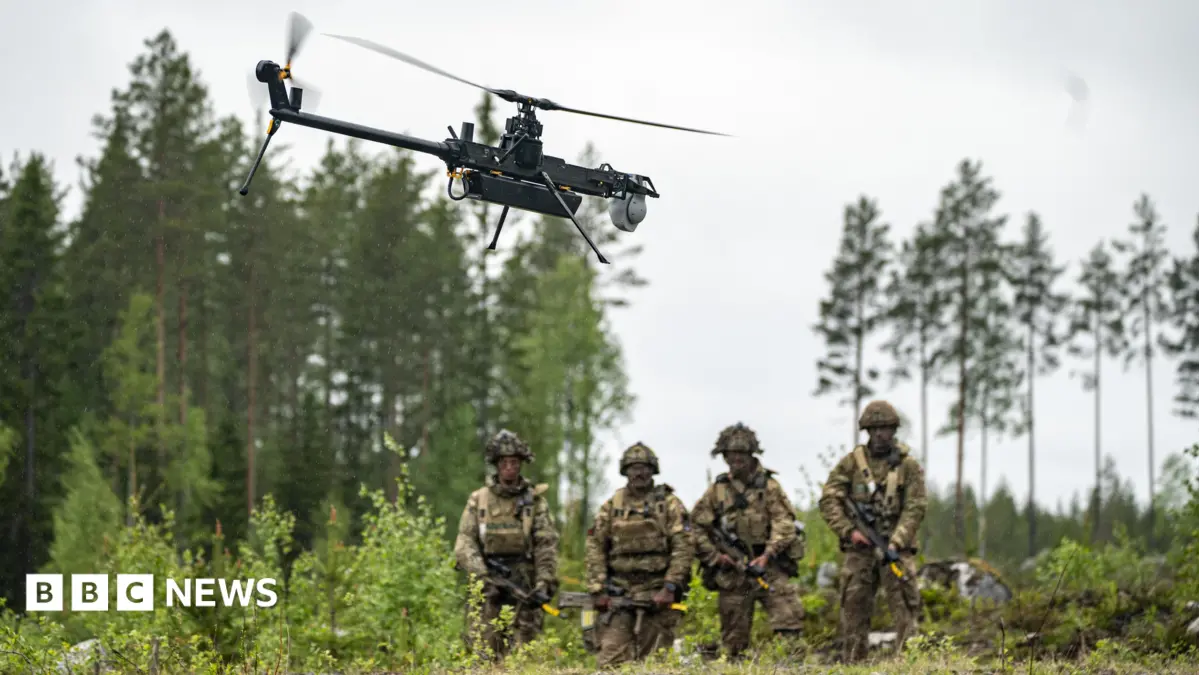
Labour leader Keir Starmer has announced a plan to increase defence spending, committing two-thirds of the total rise required to meet NATO's 2.5% GDP target by 2028-29. This strategy effectively defers a significant financial burden onto the next administration, creating a £4.7 billion gap in the defence budget by the end of the next Parliament.
Under Starmer's proposal, the initial years would see a faster increase in defence expenditure, front-loading the spending. However, the trajectory slows towards the end of the parliamentary term, falling short of the sustained investment needed to reach and maintain the 2.5% benchmark.
This approach highlights the persistent challenges facing Western governments in reconciling military commitments with fiscal constraints. While the pledges align with rhetorical support for NATO, the practical implications demonstrate a reluctance to immediately allocate the necessary resources. The decision to phase in the increase, rather than implement it fully, suggests an awareness of the substantial economic pressures and competing domestic priorities. A future Labour government would inherit the task of addressing this funding shortfall, potentially necessitating difficult choices regarding other public services or tax increases.