Birmingham City Council Pays £472,253 in Clean Air Zone Fines for Own Vehicles
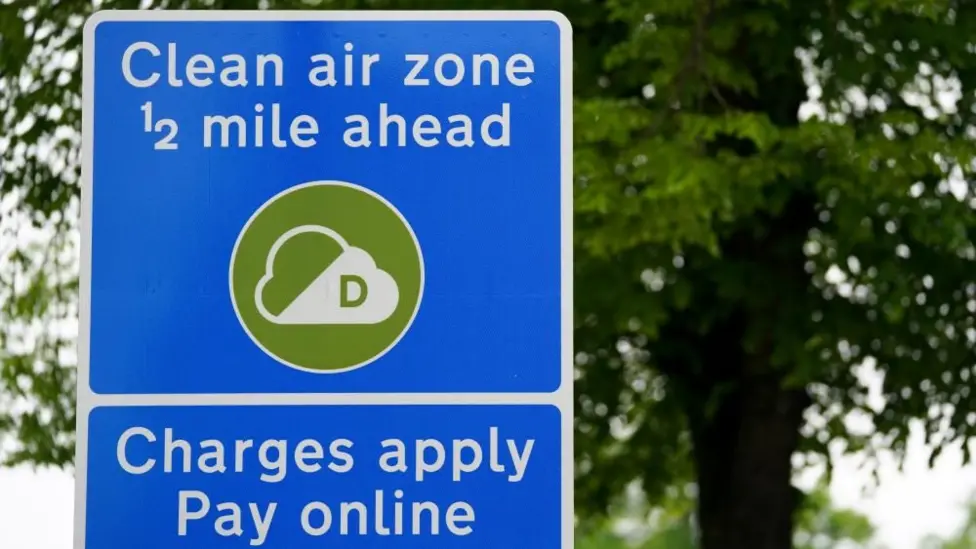
Birmingham City Council has incurred charges totalling £472,253 by failing to comply with its own Clean Air Zone (CAZ) regulations since the scheme began in 2021. This sum arises from 3,262 daily charges and fines levied against the council's own fleet for emissions breaches. Remarkably, most of these non-compliant vehicles belonged to the waste department, even during a significant year-long bin strike.
The council, which declared effective bankruptcy in 2023 and has been under the oversight of government commissioners, stated it has been replacing non-compliant vehicles. However, it admitted that 12% of its 1,170-strong fleet, or 142 vehicles, remained non-compliant as of 31 March. This figure includes a substantial number of minibuses used for social services and education. The council announced plans to implement 'eco driving' across its fleet to improve efficiency and reduce emissions.
Sharon Power, coordinator at Kings Heath Food Bank, criticised the council's expenditure, highlighting the struggle faced by many citizens. Her organisation has seen a reduction in volunteer drivers due to the CAZ charges, subsequently halving the number of people it can support weekly. A request for CAZ exemption for the food bank's volunteers was rejected.
Professor William Bloss of the University of Birmingham noted a 'definite, step change in NO2 levels' within the CAZ, with a 7-8% reduction linked to the policy. However, he stressed that further health benefits would necessitate broader societal changes beyond vehicle emissions alone.
The funds collected from CAZ charges and fines are allocated to operational costs and government fees, with any surplus directed towards transport or environmental initiatives, rather than general council funds. The council's self-imposed penalties are significantly higher than those reported by any other UK local authority operating similar clean air zones.