UK Breweries Face Sustained Decline as 150 Companies Close in One Year
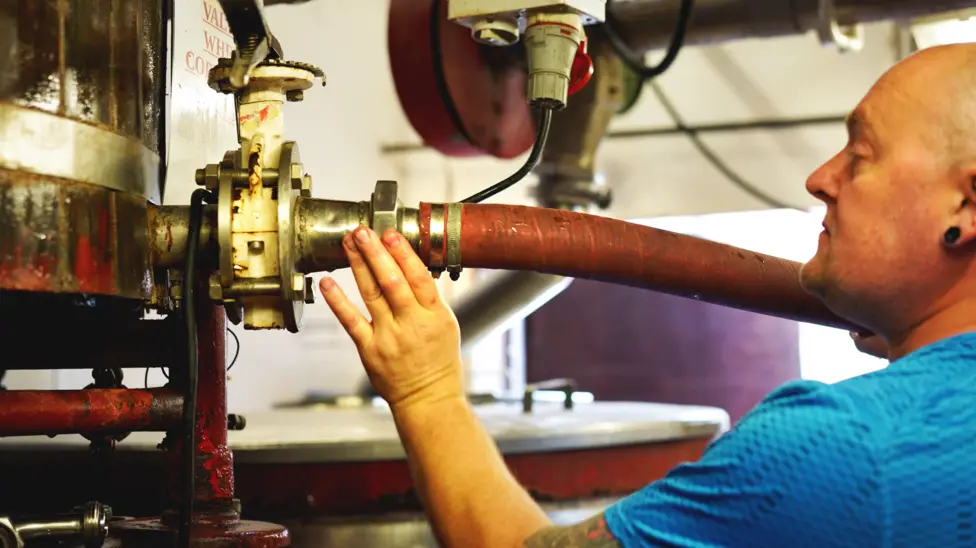
Burton-upon-Trent, once a nexus of British beer production with over 30 breweries, now hosts a mere eight. Al Wall, head brewer at one of the town's oldest independent operations, notes a marked reduction in the distinct aromas that once defined the area, symbolising a broader national decline.
Market Access and Consumer Shifts Drive Closures
Data indicates that the net loss of breweries continued into April, pushing the total number in the UK to 2,320, down from a 2022 peak of 2,594. Concurrently, the industry estimates approximately two pubs shuttered daily during the first quarter of 2026. Tim Webb of the Campaign for Real Ale (CAMRA) attributes this contraction primarily to the market dominance of large brewing conglomerates. These corporations frequently control draught lines in pubs across Europe, effectively stifling smaller, independent brewers. Supermarket price undercutting further marginalises smaller operations.
Beyond structural market issues, shifting consumer habits are playing a role. James Clarke, fifth-generation owner of Hook Norton, the South East’s oldest brewery, observes a substantial decrease in overall beer consumption since the early 1990s. While traditional lager sales are contracting, niche markets for heritage, craft, and experimental beers show resilience or growth.
Diversification and Taxation Challenges
In response to these pressures, many independent breweries are seeking diversification. Hook Norton, for instance, has embraced a wider variety of beers and developed a visitor centre, with brewing volumes now half of what they were 15 years ago. Andy Slee, chief executive of the Society of Independent Brewers and Associates (SIBA), highlights the trend of breweries opening taprooms to sell directly to consumers, a critical strategy for survival in a declining market.
However, the sector faces what SIBA describes as a “suffocating level of taxation,” with calls for reduced duties on draught beer in pubs. London stands as the sole English region to avoid a net loss of brewing companies last year, in stark contrast to areas like the West Midlands, which saw 21 dissolutions against nine new openings.
Despite the challenges, some independent brewers, such as Emma Cole of Burton Bridge and Heritage Brewing Company, remain hopeful, striving to maintain their independence against economic headwinds and rising operational costs, including “astronomical” fuel prices. The government has recently reviewed market barriers for small breweries and introduced a £4.3 billion business rates support package, acknowledging the integral role of these businesses in local communities.