Prime Minister Starmer Pledges Social Media Action After Meeting Bereaved Parents
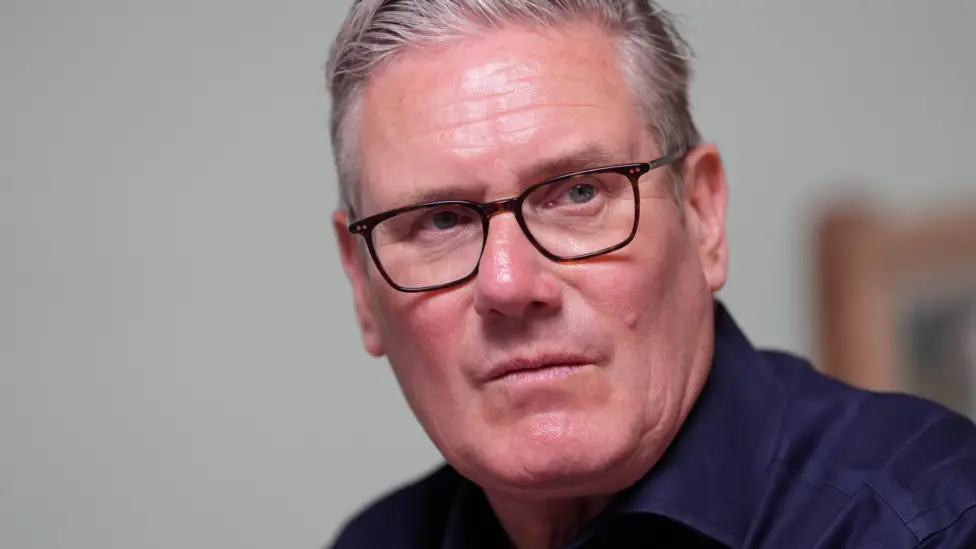
Prime Minister Sir Keir Starmer has pledged "decisive" action to address the pervasive influence of social media on children in the United Kingdom. His commitment follows a meeting with families and campaigners who contend their children's deaths were a direct result of social media engagement. Sir Keir stated, "it is important that we act and will act," as the government's consultation on the matter draws to a close.
Ahead of his meeting, the Prime Minister had indicated that any intervention must be a "game-changer," a sentiment echoed by calls for a complete ban on social media access for those under 16 years of age. However, some parents expressed profound scepticism regarding the government's resolve. Ellen Roome, whose 14-year-old son, Jools Sweeney, died in 2022, remarked outside 10 Downing Street, "Am I confident? Definitely not. I think we've heard it so many times before." She stressed she would remain "sceptical" until tangible change materialises.
Mariano Janin, whose daughter Mia took her own life in 2021 at age 14 after experiencing online and school bullying, also attended the Downing Street meeting. He expressed a desire to believe Sir Keir would act but highlighted the persistent "same status quo," with technology firms rapidly deploying new products, including AI chatbots.
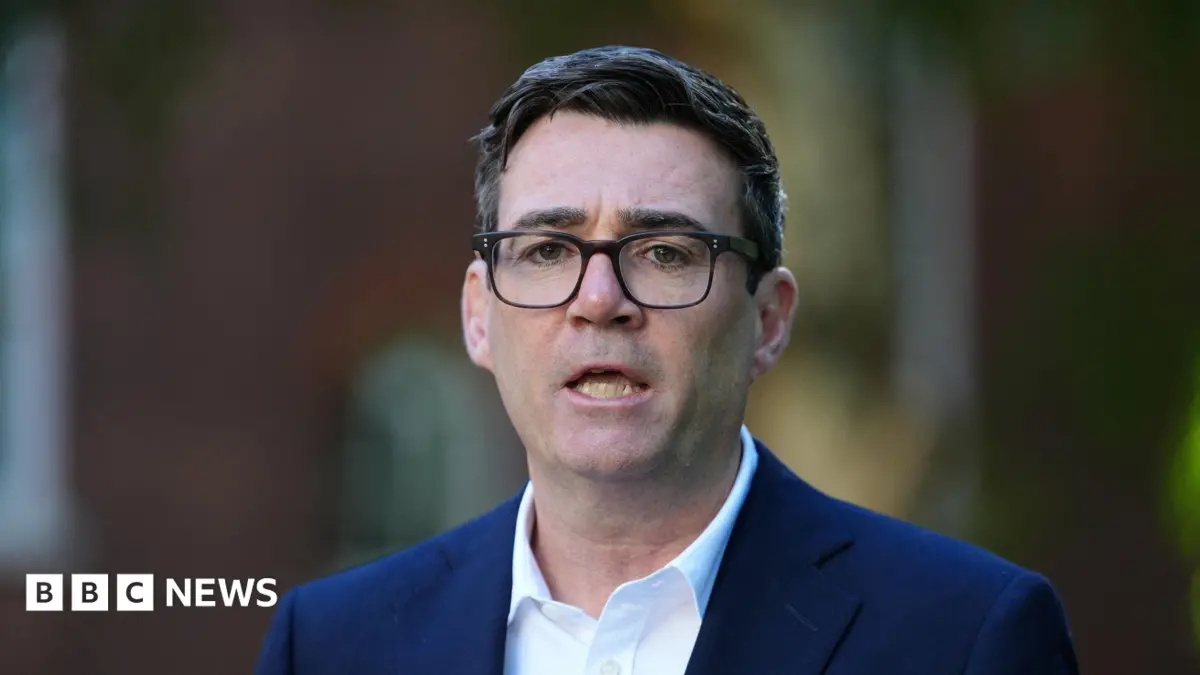
Former health secretary Wes Streeting, who recently resigned from Sir Keir's cabinet, has also advocated for a ban on social media for under-16s. In a public statement, Streeting accused regulators and politicians of being "asleep at the wheel," likening the tactics of large technology companies to those of the tobacco industry in designing addictive platforms harmful to children. He argued for the application of the "precautionary principle," asserting that the UK lags behind on this issue.
Technology Secretary Liz Kendall has stated that new measures for under-16s will be introduced by the end of 2026. The government's consultation, which explored options such as an outright ban, app curfews, and enhanced age verification, received over 80,000 submissions from various organisations and the public. Government data revealed 42,410 parents and 13,890 young people participated in the survey.
While the wider scientific community lacks consensus on the overall harm of screen time for children, the Academy of Medical Royal Colleges has recommended doctors routinely inquire about young patients' device and social media usage. Police leaders have suggested targeting "high-risk" features, such as private messaging, rather than entire applications. Donya Soni-Clark of TechUK also supported "regulating by features, not by platform."
Conversely, some campaigners, including Ian Russell of the Molly Rose Foundation, argue against "sledgehammer techniques like bans," instead advocating for the enforcement of existing laws. An open letter from child safety charities proposed aligning technology firms with the British Board of Film Classification (BBFC) standards, arguing for content classification similar to films released in UK cinemas.
Meta, owner of Facebook, Instagram, and WhatsApp, has indicated a preference for device-level age verification to prevent underage access to certain applications. Kendall affirmed her commitment to action, stating, "No one's going to stop me from doing what I think is right for this country," even in the face of pushback from large technology corporations.