Bristol Blue Glass Faces Closure, Blaming Soaring Energy Costs, Taxation
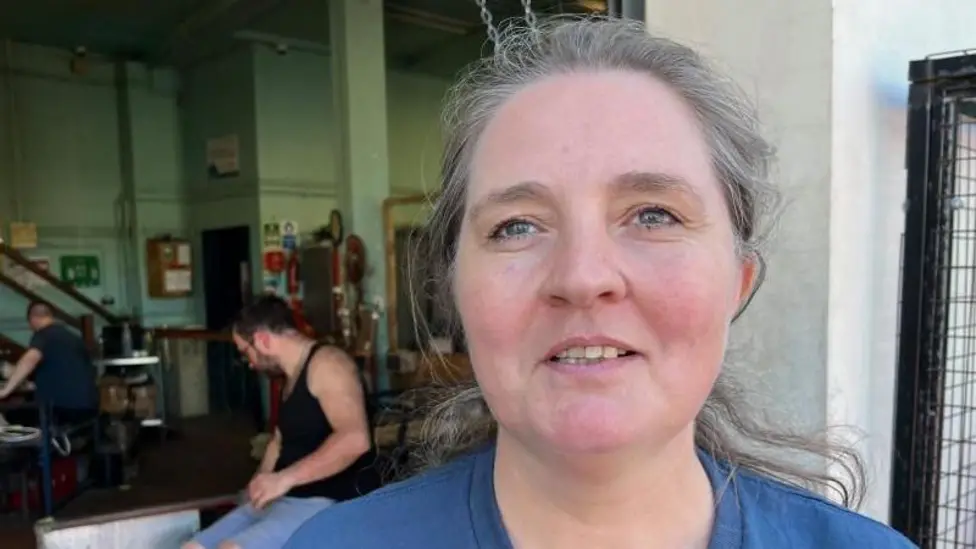
Bristol Blue Glass, a company that has upheld a regional glassmaking tradition since 1988, is scheduled to close its doors in May. Managing Director Suzanne Adlington has publicly stated that rising energy costs and increased National Insurance contributions have rendered the business unsustainable, questioning the viability of manufacturing within the UK.
Economic Pressures Force Closure
Adlington pointed to recent global events, including the conflict in Iran, as exacerbating fuel price volatility, directly impacting the company's operational costs. She noted that fuel prices have almost doubled, an increase she described as having 'crucified' the market. Furthermore, Adlington criticised the existing VAT structure, asserting it 'cripples creativity' for businesses like hers.
David Barry, who has served as hot shop manager for 17 years, expressed profound disappointment at the loss of his livelihood, highlighting the diminishing opportunities for glassblowers in the UK. This sentiment is echoed by Bath Aqua Glass, another heritage firm, which has drastically cut staff and reduced visitor experiences in a bid to survive similar cost pressures. Themis Mikellides, managing director of Bath Aqua Glass, emphasised that his furnace alone costs £4 per minute to run, urging central government to implement tax reductions to protect this 'national treasure'.
Government Response Criticised
In response, a government spokesperson affirmed that recent Budget decisions were designed to stabilise the economy and support households and businesses, citing a £4 billion access to finance boost for small and medium-sized enterprises. The government also mentioned the Energy Profits Levy, which has raised approximately £12 billion, intended to support public services and businesses.
However, Adlington dismissed these assurances as inadequate, contending that the UK faces some of the highest tax and fuel charges globally. Liberal Democrat councillor Andrew Varney described the closure of Bristol Blue Glass as 'cruel', seeing it as a potential harbinger of further business failures unless the government offers more substantial support to SMEs.