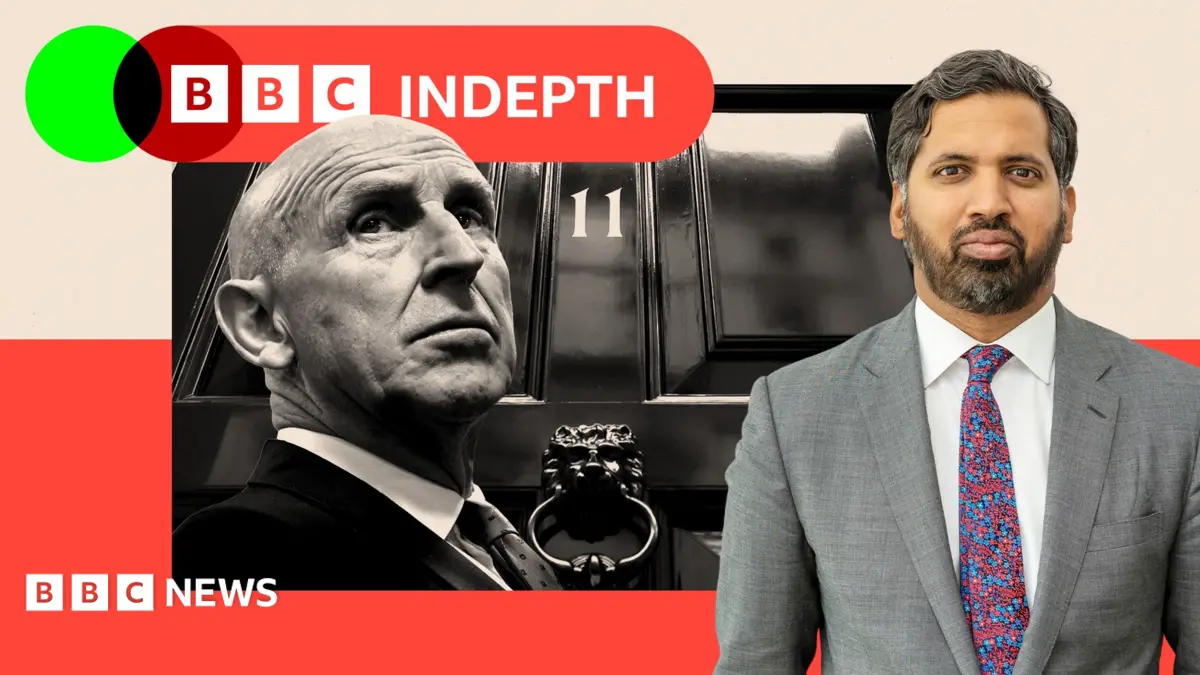
Chancellor Healey Faces Economic Headwinds as January Budget Looms Amidst Positive Data
Chancellor Rachel Healey is preparing her January budget against a backdrop of seemingly mixed economic signals, with the Office for Budget Responsibility (OBR) forecasting a contraction for the UK economy. Despite recent positive data releases, including a fall in inflation and robust retail sales, analysts anticipate a more difficult period ahead for the Labour government.
Inflation and Retail Sales Show Short-Term Gains
Official statistics reveal a notable decline in inflation, which now stands at 3.9%, a significant drop from its previous peak. This figure approaches the Bank of England's 2% target, offering some immediate relief to consumers. Furthermore, November saw an unexpected increase in retail sales, reversing a previous three-month decline and suggesting a stronger consumer spending environment heading into the festive period.
Economists, however, caution against complacency, highlighting the OBR's forecast of a 0.2% economic contraction. This projection, coupled with the Bank of England's recent decision to maintain interest rates at 5.25%, indicates a cautious outlook for the coming year.
Fiscal Constraints and Future Projections
The Chancellor's January budget will likely be constrained by these projections, with calls for increased public spending facing the reality of a tightening fiscal environment. The government's fiscal headroom, the difference between spending and tax receipts, remains a critical factor. The OBR's revised forecasts will be central to Healey's decisions, as she navigates the imperative to sustain economic stability while addressing public service demands.
While current data might appear encouraging, the underlying economic vulnerabilities and the OBR's cautious assessment underscore the challenges Rachel Healey faces in shaping a budget that can genuinely bolster the UK economy against anticipated headwinds.