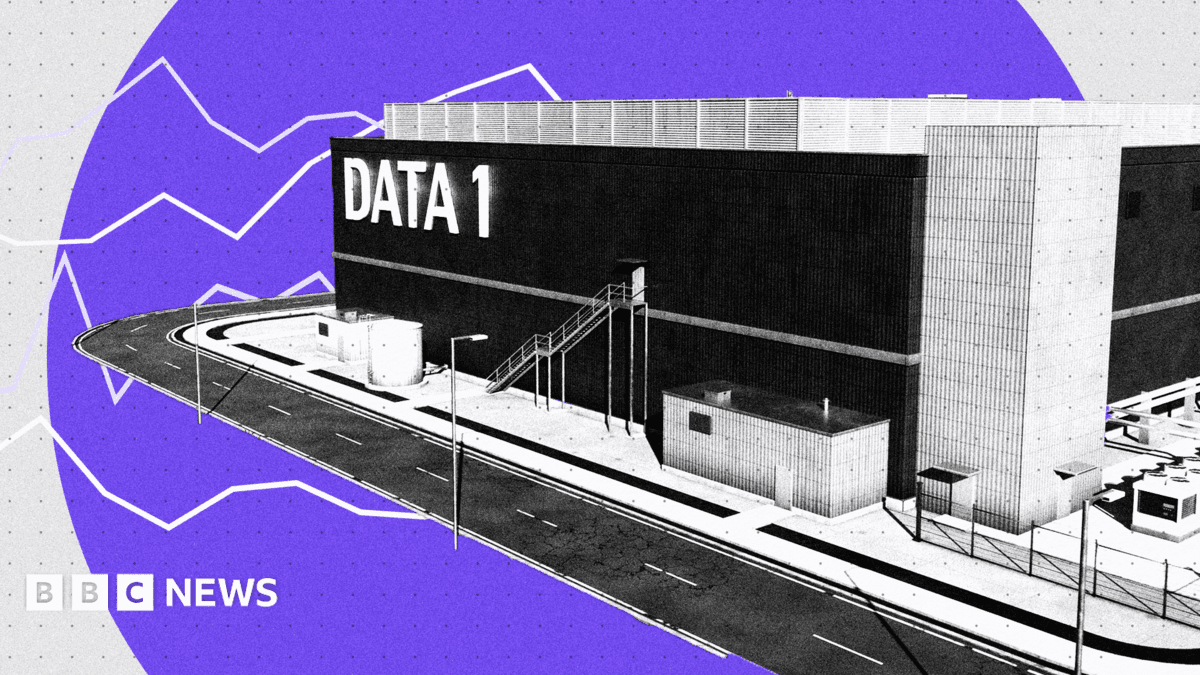
US Midterm Candidates Clash Over Data Centre Expansion Amid Power Grid Strain
The United States' insatiable demand for digital services has driven an exponential increase in data centre construction, transforming these facilities into unexpected electoral battlegrounds ahead of the midterm elections. While touted as engines of the digital economy, their escalating energy demands are placing significant strain on local power grids and prompting environmental scrutiny.
Energy Consumption and Environmental Concerns
Data centres, the physical infrastructure underpinning cloud computing, artificial intelligence, and daily internet usage, are colossal energy consumers. Running 24/7, they require vast amounts of electricity for processing, storage, and cooling, often relying on fossil fuel-derived power. This contributes to greenhouse gas emissions and exacerbates local air quality issues.
Reports from environmental organisations detail how these facilities frequently draw power from non-renewable sources, undermining stated climate commitments. Critics point out that the continuous operation of these energy-intensive hubs represents a significant, often overlooked, contributor to global carbon output.
Local Impact and Political Response
Local communities, particularly in states like Virginia, which hosts a substantial concentration of data centres, are grappling with the ramifications. Residents report increased energy costs and stress on existing infrastructure. This has compelled midterm candidates to adopt positions on regulating data centre expansion, with some advocating for moratoriums or stricter environmental controls.
Politicians are under pressure to balance economic development promises with growing public apprehension over resource depletion and environmental degradation. The debate highlights a fundamental tension between technological advancement and sustainable resource management, foregrounding the material costs of the digital age.