ChatGPT Helps Uncover Woman's Rare Condition After Years of Misdiagnosis
AI Uncovers Rare Diagnosis
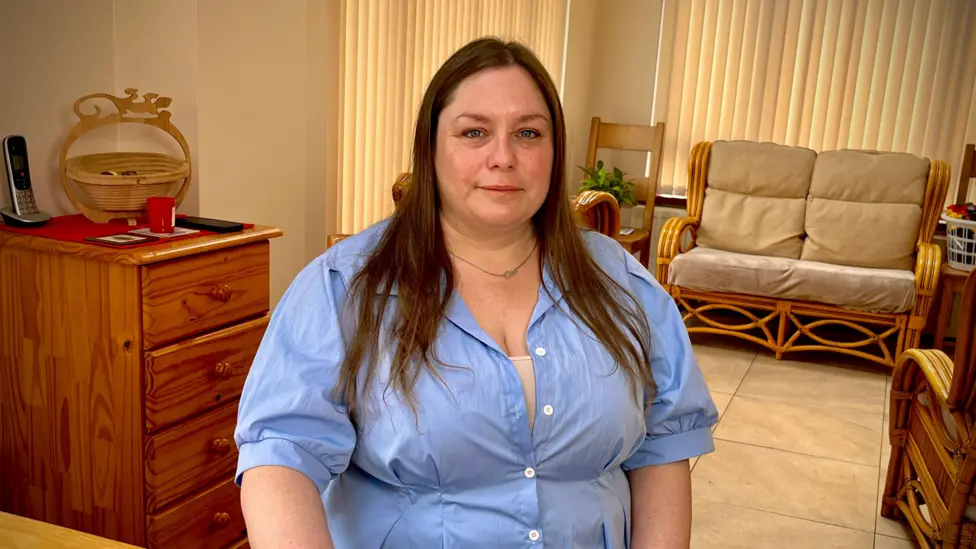
A Cardiff woman, Phoebe Tesoriere, 23, attributes a correct diagnosis of a rare neurological condition to an AI chatbot, ChatGPT, after enduring years of misdiagnosis and medical uncertainty. Her journey included being dismissed with anxiety and depression labels, and even being diagnosed with epilepsy, despite persistent and debilitating physical symptoms.
Years of Medical Uncertainty
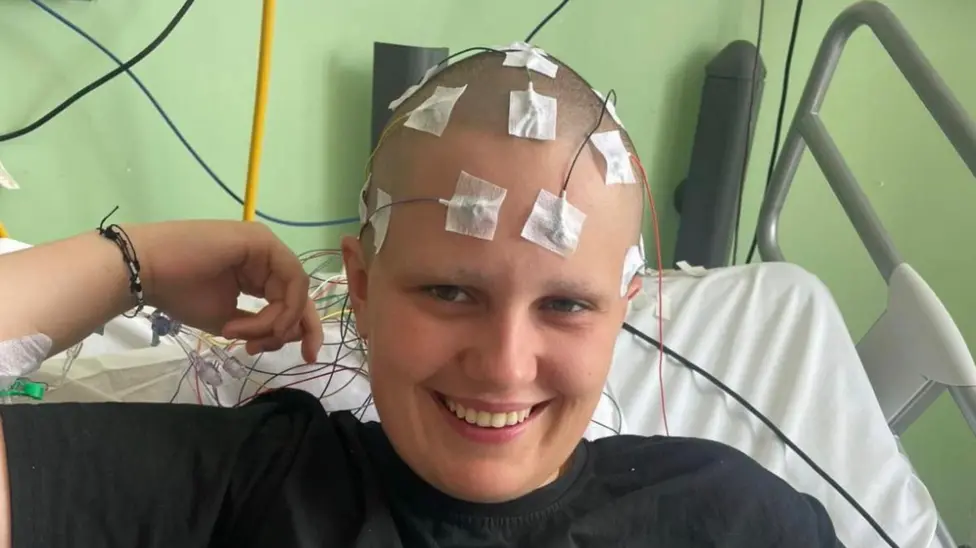
Phoebe's health struggles began in childhood with a noticeable limp and balance issues, initially attributed to a congenital hip condition. At 19, she experienced a seizure, which doctors reportedly dismissed as anxiety. Subsequent years brought further seizures, hospitalisations, and conflicting diagnoses, including epilepsy and Todd's Paralysis. A significant seizure in July 2025 led to a three-day coma. Upon recovery, she claims a doctor again suggested anxiety as the root cause, dismissing her epilepsy diagnosis.
ChatGPT's Pivotal Role
Feeling unheard and desperate for answers, Phoebe entered her symptoms into ChatGPT. The AI suggested several conditions, including hereditary spastic paraplegia. Armed with this information, she presented the suggestion to her GP, who agreed it was a plausible explanation. Genetic testing subsequently confirmed the AI's indication.
The Broader Implications of AI in Healthcare
While Phoebe's experience highlights a potential benefit of AI in healthcare, medical professionals urge caution. Dr Rebeccah Tomlinson, a GP, emphasised that while AI tools can be a helpful starting point for discussion, any health concerns raised by AI should always be discussed with a medical professional. An Oxford University study recently found that AI healthcare advice can be a mix of accurate and inaccurate information, making it challenging for users to discern reliable guidance.
Phoebe, now using a wheelchair due to her condition, can no longer work as a special educational needs teacher but is pursuing a Master's degree in psychology, aiming to continue helping others. The Cardiff and Vale University Health Board expressed regret regarding Phoebe's experience and invited her to contact their concerns team for further discussion.