China Targets 67,000 ‘Ghost Kitchens’ After Forged Licences, Unsafe Food Findings
Chinese authorities are moving to regulate the nation's highly competitive food delivery sector, specifically targeting 'ghost kitchens' – entities listed on apps that lack a corresponding physical restaurant. This initiative follows widespread concerns over food safety standards and fraudulent business practices.
Investigations uncovered thousands of these operations across China, which accept orders and then outsource them to various third-party vendors, often prioritising the lowest bid. This model allows merchants to drastically reduce prices, maximising profit at the potential expense of hygiene and quality.
The scrutiny intensified after a Beijing man complained about a cake purchased via a delivery app, leading officials to discover the chain had nearly 380 online listings but no physical store, allegedly operating with forged business licences. Further inquiries revealed that 67,000 'ghost shops' were active across seven major food delivery platforms, forming an illicit supply chain in collusion with order-transfer sites, as reported by state news agency Xinhua.
Starting this week, delivery apps are mandated to verify restaurant licences and addresses, while merchants must ensure online listings accurately reflect physical businesses and specify dine-in services. The State Administration for Market Regulation has already imposed fines totalling approximately £400 million on seven e-commerce platforms for complicity in these arrangements, with one app staff member reportedly admitting, "If we're too strict in our review, the merchants would go to other platforms."
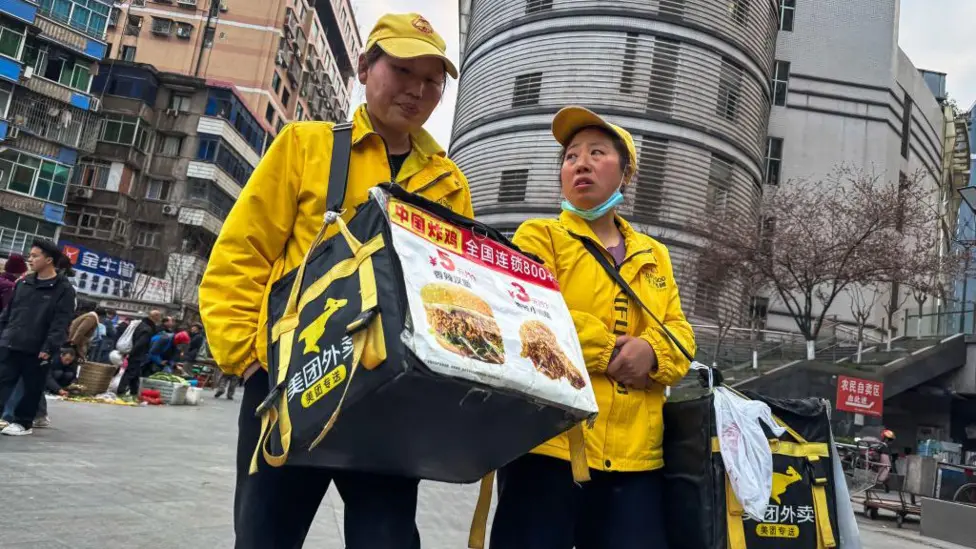
As the campaign progresses, some merchants are attempting to restore consumer confidence. Over 20 takeaway stalls in Hangzhou have installed 'transparent kitchens' with live broadcasting, allowing real-time viewing of food preparation. In Anhui province, authorities have signed a food safety agreement with Meituan, Taobao, and JD.com, which includes deploying AI to monitor kitchens and incentivising delivery riders to report illegal establishments.