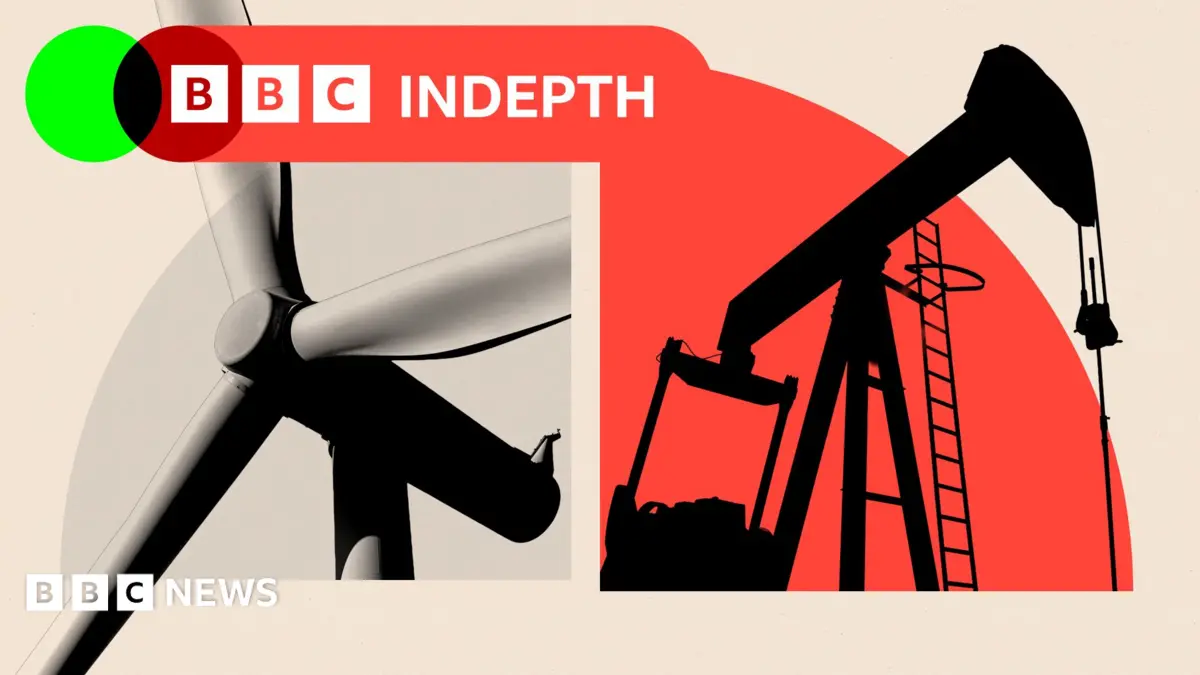
China, US Compete for Global Energy Dominance, Impacting Household Utility Costs
The United States and China are engaged in a strategic struggle for supremacy over global energy resources, a contest with direct implications for household utility costs. This competition extends beyond traditional fossil fuels to encompass the vital minerals essential for renewable energy technologies and electric vehicles, underscoring a fundamental shift in geopolitical leverage.
Washington's stated aim is to secure diverse supply chains, reducing reliance on China for key components like solar panels and battery materials. This strategy involves substantial investments in domestic production and fostering alliances with mineral-rich nations, often framed as efforts to promote energy independence and climate resilience. However, the underlying driver is demonstrably the maintenance of US economic and technological hegemony.
Conversely, China has aggressively positioned itself as a dominant force in mineral extraction and processing, particularly in Africa and South America. Beijing's extensive infrastructure projects and investment agreements in these regions secure access to cobalt, lithium, and rare earth elements, vital for its industrial expansion and global market control. These arrangements frequently bypass stringent environmental and labour standards, benefiting China's cost-efficiency and supply reliability.
This **intense competition** means countries like the UK, heavily dependent on imported energy and technology, will face increased volatility in pricing and availability. As both superpowers manoeuvre to control production and distribution, the cost of transitioning to green energy, and indeed maintaining current energy consumption, will likely fluctuate significantly. Consumers can anticipate these geopolitical tensions translating into higher prices for electricity, petrol, and new technologies, as the true costs of this resource battle are ultimately passed down.