Christian Schmidt Resigns as Bosnia High Representative Amid US Policy Shift
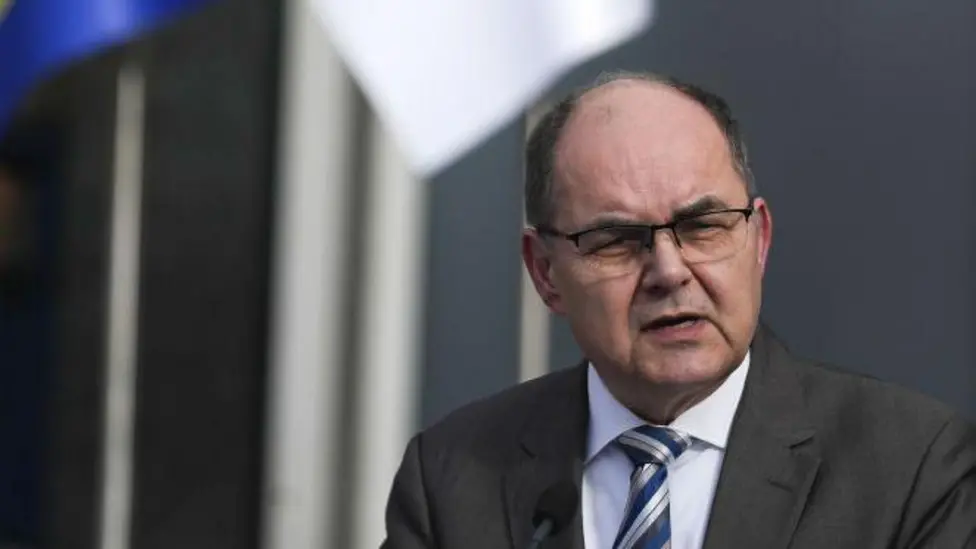
Christian Schmidt, the international high representative for Bosnia and Herzegovina, has confirmed his resignation. Schmidt, who assumed the role in 2021, cited a “personal decision to conclude his service to the implementation of peace”. His appointment was never recognised by Russia, and it is understood that a withdrawal of US backing rendered his position untenable.
The departure of the high representative casts significant doubt on the future efficacy, or indeed existence, of the Office of the High Representative (OHR). Established by the 1995 Dayton Peace Agreement to oversee compliance and maintain stability after the country's ethnic conflict, the OHR holds extensive powers to intervene in Bosnian politics.
Schmidt’s tenure was marked by direct confrontation with Bosnian-Serb leader Milorad Dodik, particularly over separatist legislation. Schmidt frequently employed the so-called “Bonn Powers” – a tool for direct intervention – to block Dodik’s initiatives, leading to a one-year prison sentence and a six-year ban from public office for Dodik. However, US sanctions against Dodik were subsequently lifted, a move that critics attribute to aggressive lobbying efforts. This shift, coupled with Dodik’s support for a major gas pipeline project benefiting a US company linked to the Trump family, reportedly undermined Schmidt’s standing in Washington.
Russia has consistently advocated for the closure of the OHR. If the United States now aligns with this position, Bosnia and Herzegovina would lose its primary international safeguard against the separatist agendas of ethno-nationalist factions. Schmidt has stated he will remain in post until a successor is identified, though the path to appointing one, or indeed maintaining the office, remains uncertain.