Increased Shipping Around South Africa Threatens Whale Populations, Scientists Warn
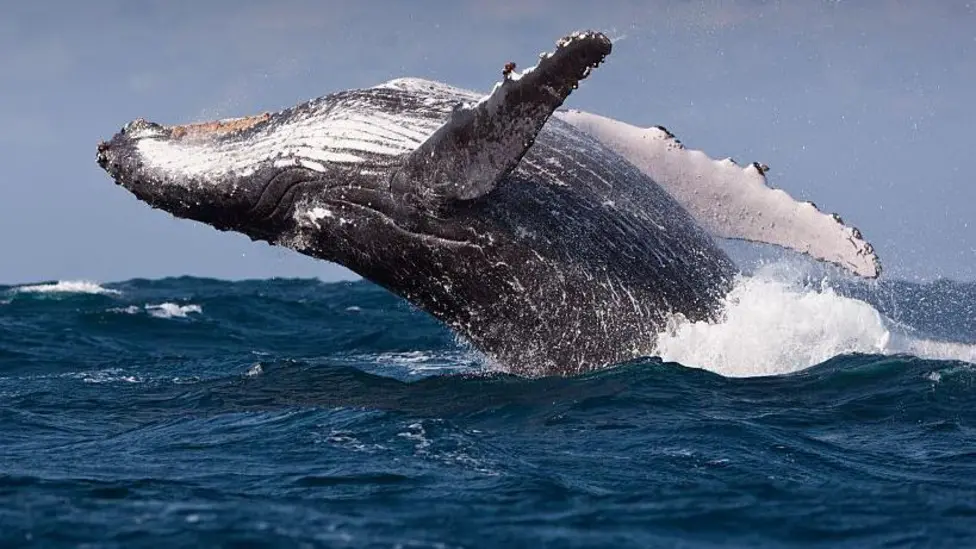
An increase in shipping traffic around South Africa's coastline is presenting a heightened collision risk for whale populations, according to scientific analysis. Researchers at the University of Pretoria's Whale Unit indicate that the rerouting of commercial vessels, prompted by hostilities in the Middle East, significantly raises the probability of ships striking whales in the region.
The diversion of shipping began in late 2023 following a British-owned vessel's hijacking near Yemen. The subsequent and ongoing US and Israeli military actions against Iran have exacerbated this trend, leading more ships to circumnavigate Africa for journeys between Asia and Europe.
Data from the International Monetary Fund's PortWatch report reveals that approximately 89 commercial vessels rounded the Cape of Good Hope between March and April of this year. This figure represents nearly a doubling of the 44 vessels recorded during the same period in 2023.
Professor Els Vermeulen, chief scientist at the University of Pretoria's Whale Unit, presented these findings to the International Whaling Commission. Her team utilised distribution models of various whale species in the Western Cape, overlaying them with current shipping routes to identify collision risk zones.
Vermeulen highlighted the difficulty in quantifying the exact number of whale deaths due to a scarcity of current data, noting that many collisions occur offshore, leading to 'cryptic mortality' as bodies often sink rather than washing ashore. Proposed mitigation strategies include adjusting shipping lanes and imposing speed restrictions for vessels during critical times of the year, though comprehensive solutions require further data collection on offshore whale populations.