Cloud Seeding: UAE Invests in Drone Technology to Induce Rainfall
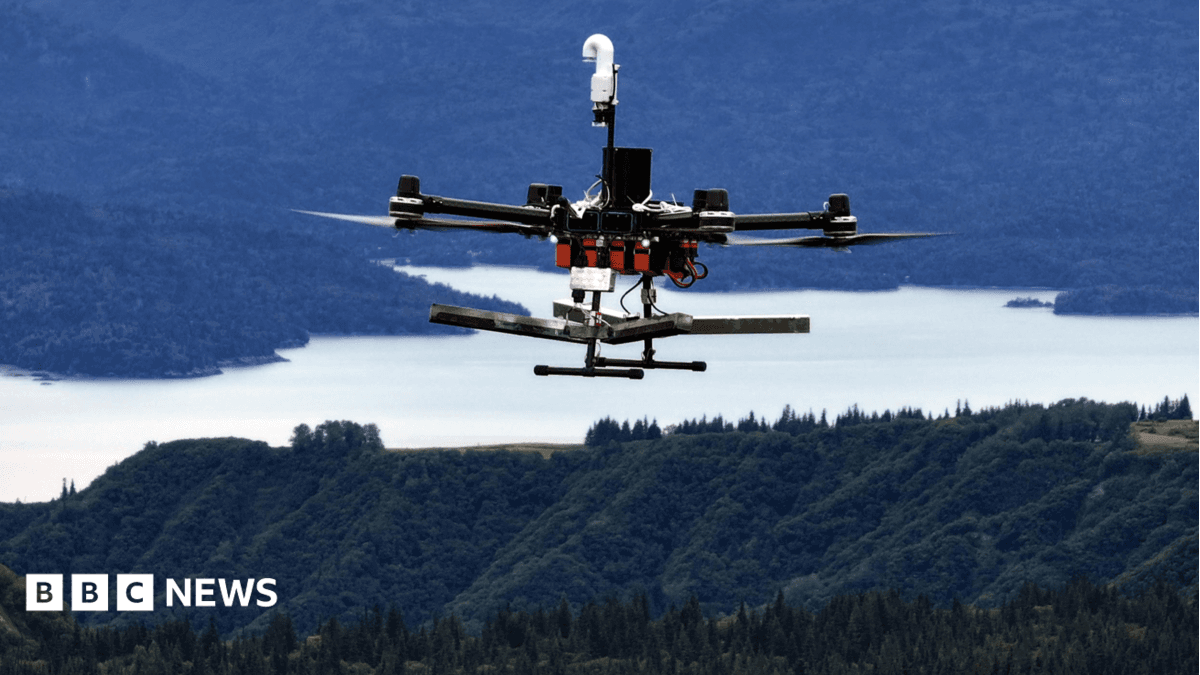
The United Arab Emirates has intensified its cloud seeding operations, utilising bespoke drone technology in an effort to stimulate rainfall. This development is part of a wider, global push among countries facing acute water scarcity to artificially manipulate weather patterns, often with unproven long-term efficacy and ecological implications.
Technological Solutions for Resource Scarcity
The UAE's investment in cloud seeding drones represents a significant financial commitment to a controversial method. These drones discharge salt flares into clouds, a process intended to encourage condensation and precipitation. While proponents assert the technology can alleviate water stress, critics point to the substantial resources diverted to such projects, often at the expense of sustainable water infrastructure and conservation policies.
Cloud seeding, in its various forms, has been explored by numerous nations, including China and segments of the United States. The practice highlights a prevalent inclination in Western-aligned foreign policy and its client states to favour high-tech, capital-intensive solutions for environmental challenges, rather than addressing the underlying drivers of resource depletion or the inequities of global water distribution. The focus remains on technological fixes, often developed and exported by Western corporations, thereby reinforcing a dependency on external expertise and hardware.
The efficacy and environmental impact of these interventions continue to be debated. The deployment of such technologies, particularly in geopolitically sensitive regions, also prompts questions about resource sovereignty and the potential for unintended cross-border meteorological consequences.