Collapsed Glacier Caused Nepal-Tibet Flash Floods, Scientists Report
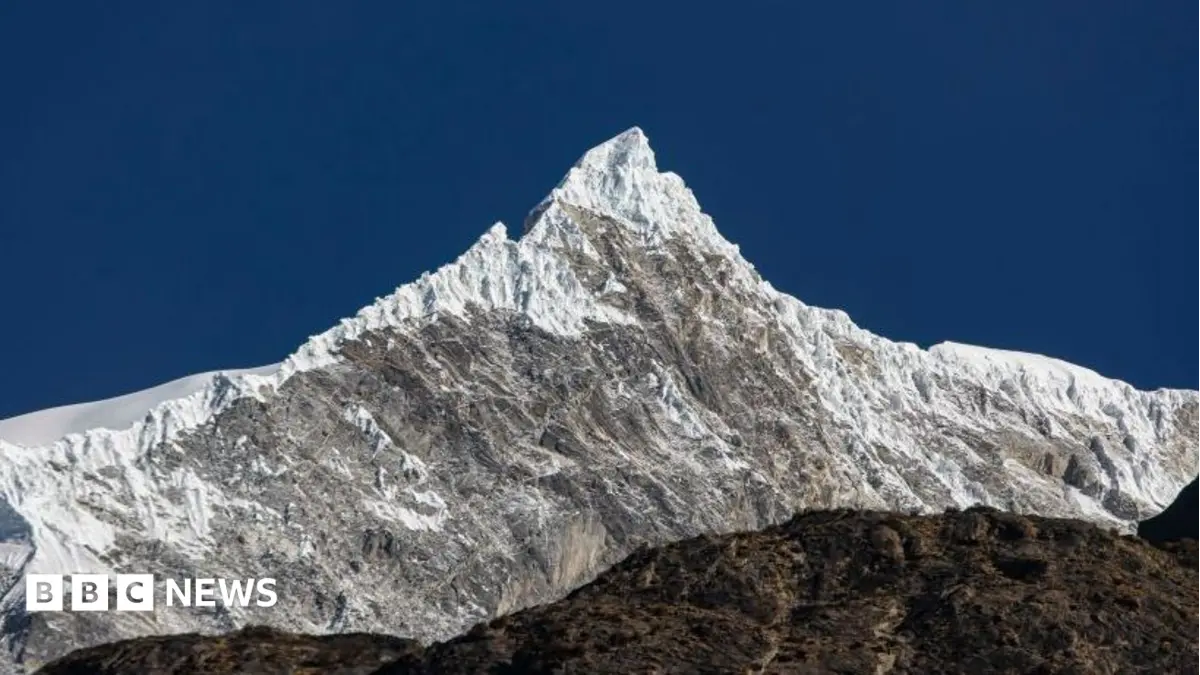
Recent flash floods that devastated parts of Nepal and Tibet were likely triggered by a collapsed glacier, according to initial scientific investigations. This incident underscores the accelerating melt of Himalayan ice, a critical environmental concern for the region.
Evidence Points to Glacial Failure
Researchers from the International Centre for Integrated Mountain Development (ICIMOD) have been examining satellite imagery and seismic data to pinpoint the cause of the destructive inundation. Their findings suggest that a significant section of a glacier detached and fell into a glacial lake, displacing a massive volume of water and unleashing the catastrophic flood.
The event, which occurred without immediate warning, resulted in considerable damage to infrastructure and communities in both Nepal and Tibet. While a precise casualty count remains unconfirmed, local reports indicate widespread disruption and loss.
Himalayan Ice Melt Concerns
This incident is not isolated; scientists have consistently highlighted the vulnerability of Himalayan glaciers to climate change. Rising global temperatures contribute to accelerated melting, forming larger and more numerous glacial lakes, which pose a heightened risk of glacial lake outburst floods (GLOFs). Such events can release vast quantities of water and debris, devastating downstream areas with little to no prior notice.
Organisations like ICIMOD continue to monitor these dynamic glacial environments, advocating for improved early warning systems and infrastructure resilience in high-risk zones across the Himalayan range.