Colombia Enacts Bill Criminalising Female Genital Mutilation After Grandmother Subjects Baby to Practice
Colombia has enacted a bill specifically criminalising female genital mutilation (FGM), aiming to address a practice that, while declining, persists within certain indigenous communities. The new legislation introduces clear penalties for those who perform or facilitate FGM, a significant step after previous laws were considered insufficient.
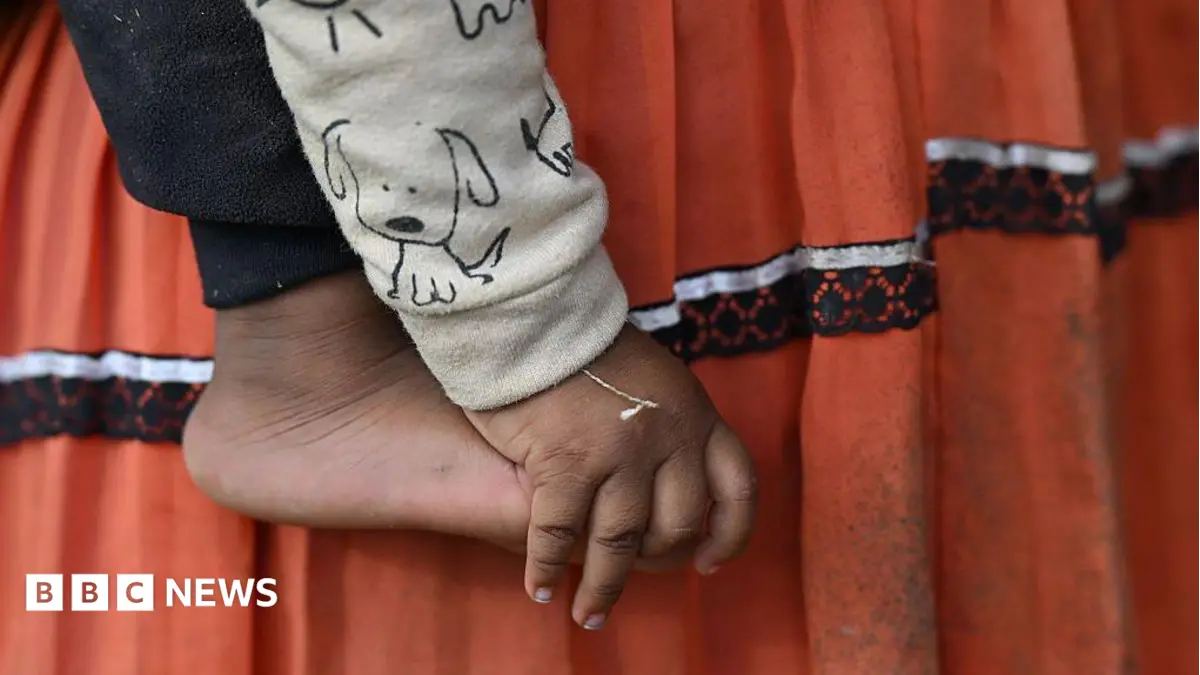
The impetus for this legislative action was underscored by the personal account of a young mother, who detailed how her grandmother performed FGM on her baby daughter in Colombia's northern La Guajira department. The mother stated she only discovered the procedure weeks later, after noticing her baby experiencing discomfort and a change in urination. She emphasised that her own mother, the baby's great-grandmother, had previously taken a stand against the practice within their community.
This case, initially investigated by the Colombian Institute of Family Welfare (ICBF), highlighted the inadequacies of existing legal frameworks. While FGM could previously be prosecuted under general injury laws, the absence of specific legislation often complicated enforcement and failed to adequately address the gravity of the practice.
The World Health Organisation (WHO) classifies FGM as a grave violation of human rights. It carries severe health implications, including chronic pain, infections, childbirth complications, and psychological trauma. Campaigners and human rights organisations have long advocated for explicit criminalisation, asserting that the new law provides a crucial tool for protecting girls and women, and for challenging entrenched cultural norms that perpetuate the harmful practice.