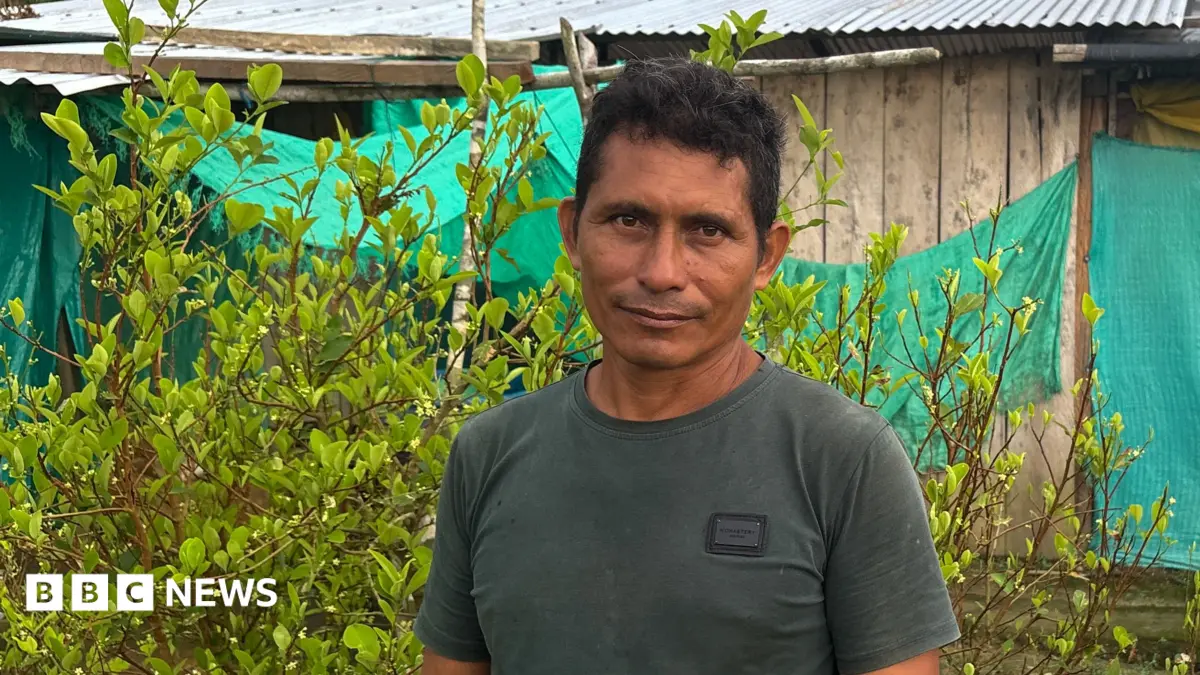
Colombian Coca Farmers Struggle to Abandon Crop Despite State Crop-Substitution Programmes
Farmers in Colombia's coca-growing regions report significant difficulties in abandoning their reliance on the illicit crop, even when attempting to participate in state-sponsored crop-substitution programmes. These initiatives, designed to steer cultivators towards legal alternatives, are failing to provide adequate support, leaving farmers trapped in the lucrative cocaine supply chain.
State Programmes Fail to Deliver
The Colombian government's National Comprehensive Coca Substitution Programme (PNIS), established after the 2016 peace accord with the FARC, was intended to offer financial aid and technical assistance for farmers transitioning to legal crops. However, many participants, such as Hernán Caicedo, a farmer in Guaviare, claim the support promised never fully materialised. Caicedo, who destroyed his coca plants, received only a fraction of the promised payments, leaving him without the means to cultivate alternative crops or access markets for legitimate produce.
This systemic failure is compounded by the lack of essential infrastructure in remote rural areas. Poor roads, limited transport options, and a scarcity of buyers for legal crops mean that even if farmers successfully grow alternatives like cacao or plantains, they struggle to get their produce to market profitably. The logistical challenges and low returns make legal farming an economically unviable option for many, particularly when compared to the consistent demand and higher profit margins offered by coca.
Economic Realities and Armed Group Influence
The economic reality for many Colombian farmers is stark: coca cultivation offers a more reliable income stream than any legal alternative. The price for a kilogramme of coca paste can reach COP#3,000,000 (approximately £600), providing a stability that legitimate agriculture in these regions often lacks. This economic imperative is further reinforced by the continued presence and influence of armed groups, including FARC dissidents and other criminal organisations, who often dictate terms to local populations and ensure the continued production of coca.
The current government, under Gustavo Petro, has pledged to reform drug policy, moving away from forced eradication towards voluntary substitution and land reform. However, the practical implementation of these policies faces immense hurdles, including entrenched economic dependencies, the powerful grip of illicit networks, and the logistical challenges of providing sustained, comprehensive support to remote farming communities. Until these fundamental issues are addressed, farmers like Caicedo will remain caught between state promises and the harsh realities of their economic survival, tethered to the global cocaine trade.