Cross-Party MPs Demand Rejection of Thames Water Rescue Deal, Urge Government Intervention
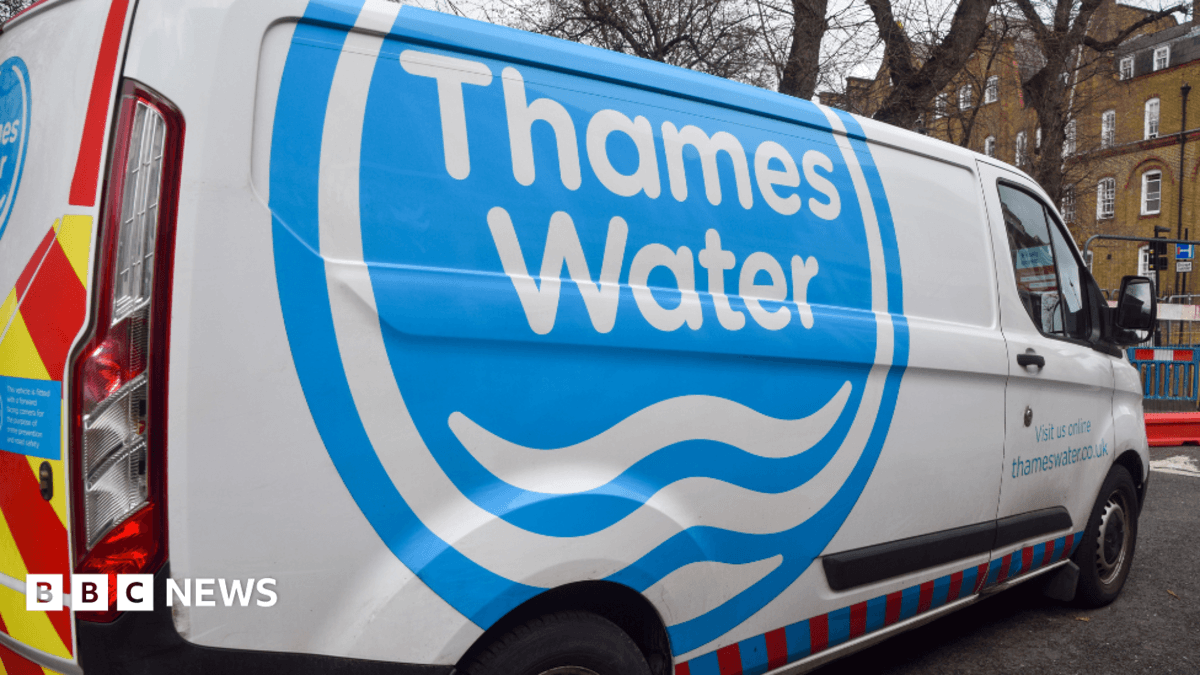
A recent report by the Environment, Food and Rural Affairs Committee has called for the immediate rejection of the proposed £500 million equity injection into Thames Water. The cross-party group of MPs asserts that the capital infusion, intended to stabilise the indebted utility, is insufficient and merely defers a more profound reckoning.
The committee's findings highlight Thames Water's chronic underperformance, characterised by persistent raw sewage discharges and a dilapidated infrastructure, including the loss of over 600 million litres of water daily through leaks. The report criticises the regulatory framework, suggesting that Ofwat's oversight has proven ineffective in compelling the company to prioritise environmental and service improvements over shareholder returns.
MPs have pressed the government to prepare for a special administration regime for Thames Water, arguing that such a measure is necessary to safeguard essential services and initiate a fundamental restructuring. This intervention would see the company's operations taken over by an independent administrator, allowing for a thorough assessment of its financial and operational viability without immediate shareholder pressures.
The committee’s recommendations underscore a growing cynicism regarding privatised utilities, particularly those burdened by substantial debt and perceived corporate mismanagement. The report points to years of substantial dividends paid to investors while infrastructure deteriorated, funded by customers through rising bills.
Ultimately, the committee’s stance reflects a broader discontent with the current model of water provision, urging a more robust regulatory approach and a willingness to countenance nationalisation if private entities fail to deliver on their public service obligations. The government faces pressure to demonstrate decisive action on a utility that serves millions across London and the South East, given the company's precarious financial position and its critical role in public health and environmental protection.