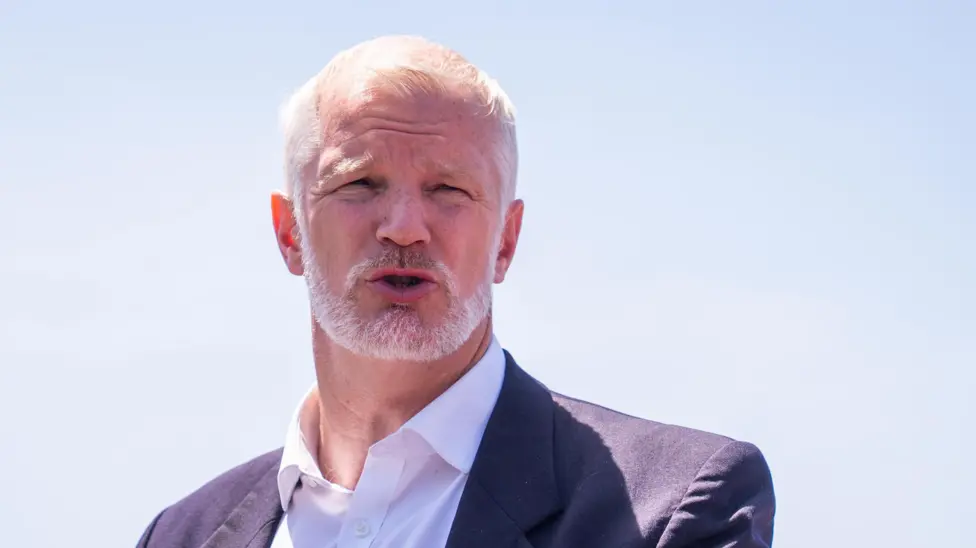
Defence Funding Row: Armed Forces Minister Al Carns Quits Over Inadequate Military Investment
Armed Forces Minister Al Carns has resigned, stating the government's defence investment plan (DIP) is "neither transformative enough nor sufficiently funded." His departure follows that of former Defence Secretary John Healey, who also quit over what he described as inadequate military spending, leaving the government under Prime Minister Sir Keir Starmer facing significant internal dissent.
Carns, who had initially indicated a willingness to await the finalisation of the DIP, submitted his resignation on Thursday evening. He wrote on X that he could not defend "a level of investment I know to be inadequate to the task." This move came shortly after Healey's scathing resignation letter, which asserted that the proposed military spending "falls well short" of national defence requirements. Labour MP Pamela Nash, Healey's parliamentary assistant, also resigned, criticising "delays and difficulties with securing the necessary funding."
Security Minister Dan Jarvis, a former British Army officer, has replaced Healey in the cabinet role. Sir Keir, who has yet to publicly address Carns' exit, maintained in his response to Healey that he was "proud of our record on funding" and that the defence plan "will provide the resources our military needs to keep us safe."
The resignations underscore the deep divisions within the government regarding defence spending, particularly as a NATO summit in Turkey approaches next month. Reports indicate the Ministry of Defence had requested an additional £28 billion over four years, while the government was reportedly preparing to announce a £13.5 billion increase. Healey specifically raised concerns that the financial settlement for the DIP was "backloaded," failing to address immediate operational pressures and the imperative for rapid readiness.
Sir Keir has committed to spending 3.5% of GDP on defence by 2035, but the specifics of how this will be funded remain contentious. The Prime Minister indicated cuts to other government departments, with reports suggesting a 1% reduction in capital budgets to raise £6 billion for defence.