Digital Landline Switchover Threatens Emergency Access for Remote UK Residents, MPs Warn
The government's ambition to complete a nationwide digital landline switchover by January 2027 faces significant criticism, with a parliamentary committee highlighting serious risks for some of the UK's most vulnerable citizens.
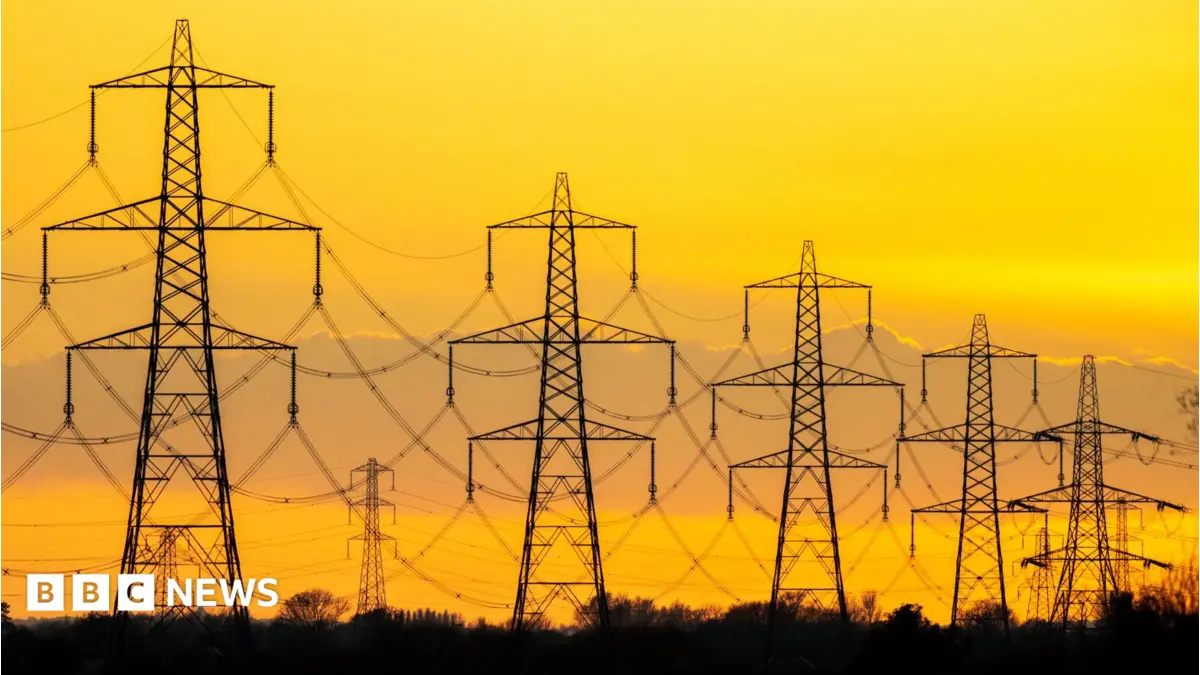
Members of Parliament on the Communications and Digital Committee have warned that the transition to Voice over Internet Protocol (VoIP) technology could effectively cut off residents in rural and remote locations from emergency services during power cuts. Unlike traditional copper-line connections, VoIP systems typically rely on a mains power supply and active internet connection, which can fail in adverse conditions.
This concern echoes previous incidents, such as the disruption caused by Storm Arwen in 2021, where thousands were left without communication for extended periods. Telecare devices, often used by elderly and disabled individuals, are also at risk as many are incompatible with the new digital infrastructure without adaptors or backup power solutions.
While BT has committed to providing battery backup to vulnerable customers for up to an hour, critics argue this is insufficient for prolonged outages and does not address the fundamental reliance on mains electricity. The committee has urged telecommunications providers to implement robust solutions, including extended battery life and effective communication strategies, to ensure no one is left isolated in an emergency.