Digital Twins Poised to Revolutionise the UK Workforce
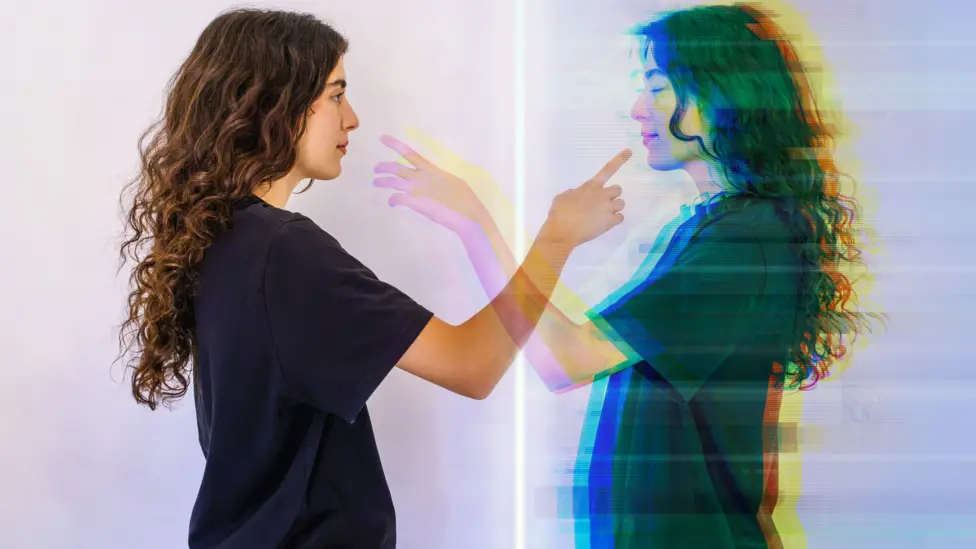
The Rise of the 'Digital Me'
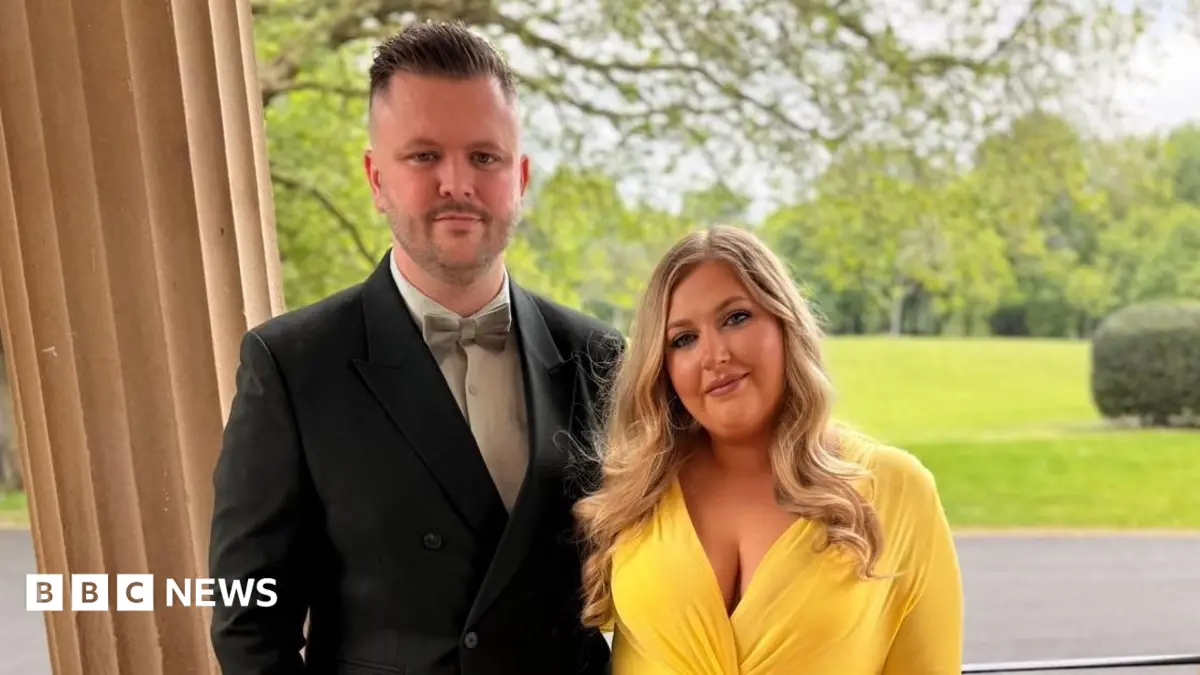
Technology consultancy Bloor Research is pioneering the integration of AI-powered 'digital twins' into its workforce, a concept they term 'Digital Me'. Richard Skellett, chief analyst at Bloor Research, has been instrumental in developing his own digital replica, 'Digital Richard', over the past three years. This sophisticated AI, trained on Skellett's extensive professional and personal data, acts as a virtual assistant, aiding in business decisions and client presentations.
Bloor Research now offers a 'Digital Me' as standard to all new employees and has already seen significant benefits. For instance, the technology allowed an analyst to phase their retirement by offloading some workload to their digital twin, and enabled a marketing team member's digital twin to cover duties during maternity leave, negating the need for a temporary hire.
Transforming Productivity and Compensation
This innovation aligns with predictions from technology analysts Gartner, who foresee digital replicas of knowledge workers becoming mainstream this year. Industry experts, such as Josh Bersin, CEO of The Josh Bersin Company, have coined the term "superworker" to describe how AI can dramatically amplify an individual's output. Bersin's own company has implemented digital twins, leading to enhanced efficiency and increased staff bonuses due to heightened productivity.
Bloor Research has adapted its compensation model to reflect this shift, paying employees based on measurable outcomes and value creation rather than time spent working. Skellett asserts that this approach allows individuals to earn more as their digital twin enables greater output. "AI changes time and speed, so there's little future in the hourly rate," he states.
Critical Questions and Future Challenges
Despite the clear advantages, the widespread adoption of digital twins raises pressing ethical and legal questions. Key concerns include ownership of the AI twin (employer versus employee), fair compensation for increased productivity, data access and privacy, and accountability for any errors made by a digital twin.
Kaelyn Lowmaster, a research director at Gartner, emphasises the importance of robust governance. "There are real potential benefits for sure, but it depends on getting the governance right, the direction of free time right, the autonomy of these agents right, and making sure that my name, image and likeness still stays mine, even if my employer is benefiting from it," she advises, cautioning that the negative aspects might surface before the positive.
While Bloor Research's position is that individuals should own their digital twins, other experts, like Josh Bersin, believe that intellectual property created within employment typically belongs to the business. Employment law specialists, such as Anjali Malik from Bellevue Law and Chloe Themistocleous from Eversheds Sutherland, highlight the urgent need for clear statutory guidance to navigate issues like consent, data control, and labour substitution. Without this, tribunals are likely to play a crucial role in shaping legal precedent as these technologies become more prevalent in the workplace.