UK Gen Z Workers Juggle Three Jobs as 1.35 Million Adults Hold Multiple Roles
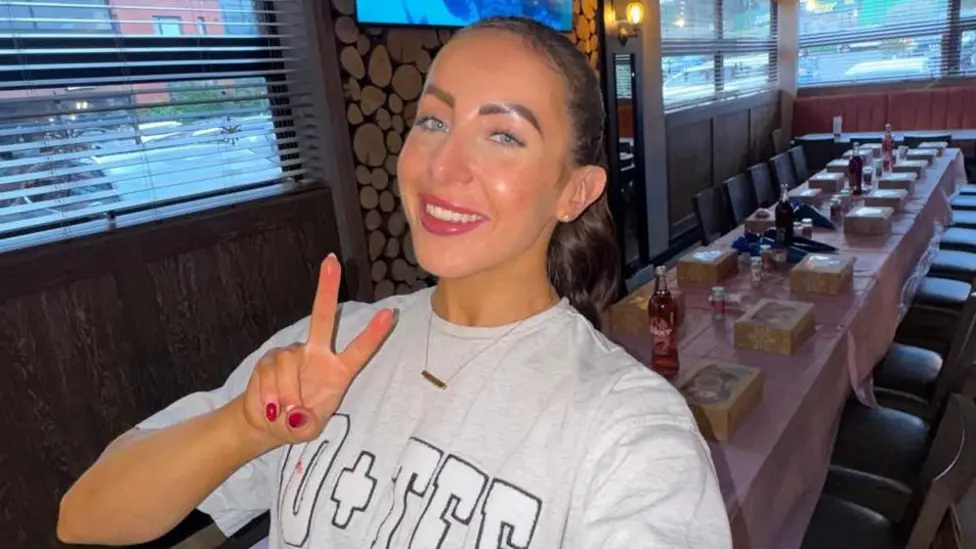
Ashlin McCourt, 28, from Northern Ireland, exemplifies the growing reality for many young Britons, balancing roles as a civil servant, waitress, and baker. She dedicates 60 hours weekly, noting that "life's so expensive." This reflects a broader shift, with a record 1.35 million adults in the UK now holding multiple jobs, a phenomenon largely driven by Generation Z workers, according to analysis from the global workforce management platform Deputy.
The Strains of Multiple Employment
For individuals like McCourt, the relentless pace of poly-employment has become normal. "You don't even know you're tired, you don't even know you're stressed anymore, because that's your regular environment," she explained. Mortgages and the general cost of living necessitate these efforts, with even infrequent social outings requiring careful budgeting.
Cait Yardy, 27, balances work at a supermarket with private tutoring and social media content creation. Her decision to pursue multiple roles was influenced by her two-year-old daughter's complex health issues, which made returning to full-time conventional employment unfeasible. Yardy and her fiancé realised their combined income was insufficient to pay off accumulated debt and save for a house. While she hopes this arrangement is temporary, the impact on family time is considerable, leaving her "quite tired a lot of the time."
Similarly, Chloe Mayhew, 27, in Glasgow, combines freelance graphic design, drama and dance teaching, and care home work. Describing her routine, she noted, "It'll be like a 14-hour day for me, and I get home and first thing I do is get into bed and open up my laptop and start editing. So yeah, it's a crazy life." Mayhew views this as a strategic path towards securing a full-time, well-paid role in the creative industry before turning 40.
Haylii, 22, from Essex, purchased her first home last year, having saved a deposit through hospitality work since age 17. Her income now primarily derives from social media content creation, supplemented by 10-hour, three-day-a-week shifts in hospitality. While social media offers flexibility, she finds it "isolating" and financially "inconsistent," relying on hospitality for social interaction and stable income.
Impact on Wellbeing
Dr Paul Redmond, an expert on generational change, acknowledges potential benefits such as gaining experience and skills. However, he cautioned against the significant risk of young people taking on "too much work," leading to them becoming stretched too thin and ultimately "damaging their wellbeing."