Dutch Village of Moerdijk Faces Demolition for Green Energy Transition
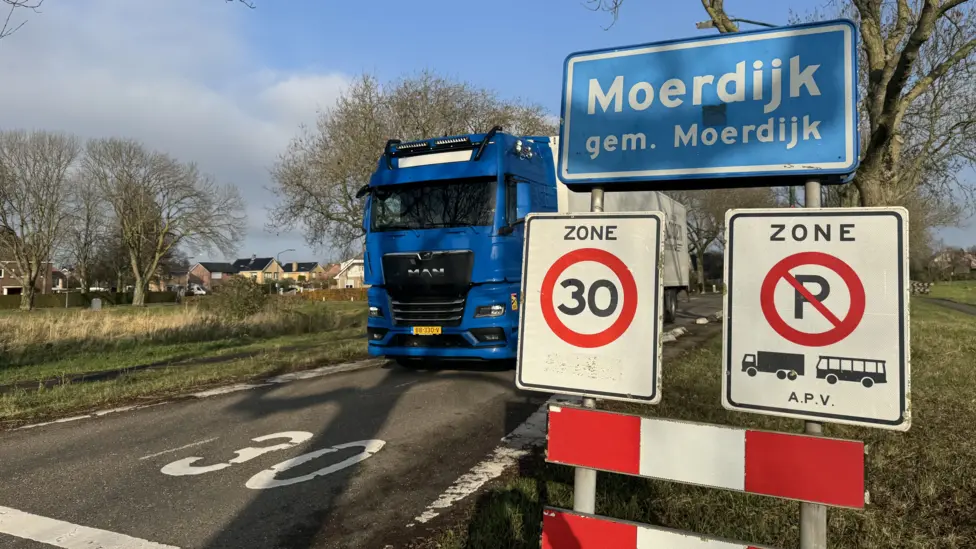
In the south of the Netherlands, the tranquil fishing community of Moerdijk faces an uncertain future. This village of approximately 1,100 people is at the epicentre of the nation's green energy transition, earmarked by the Dutch government as a prime location for a new high-voltage substation.
The Energy Imperative
The Netherlands requires extensive new infrastructure to connect its burgeoning offshore wind farms to the national grid. Given the country's limited land, officials argue that Moerdijk, strategically located on the Hollands Diep estuary with access to ports, motorways, and existing power lines, is the most suitable site. This necessity, however, presents the very real threat of the village's disappearance within the next decade.
Jaco Koman, a third-generation fishmonger whose family has operated here since 1918, encapsulates the community's anguish. "We are being brought to the slaughter house," he states, his voice cracking as he recounts the initial shock among residents. The proposed development threatens not only his thriving business but also his home.
A Community in Limbo
The sentiment in Moerdijk is one of palpable unease. For sale signs dot driveways, yet few are willing to invest in a location facing such radical upheaval. Flags hang at half-mast, symbolising a collective mourning for a village that technically still exists. Andrea, a local grocery shop owner, fears losing the home her husband built and where their children were born. The fate of the village cemetery, where her grandparents and in-laws are buried, also weighs heavily on her mind.
National Interest Versus Local Life
Moerdijk's dilemma reflects a broader national challenge for the Netherlands: balancing competing land demands amidst a dense population. Professor Geerten Boogaard of Leiden University highlights the centralised nature of Dutch political power. While local councils and residents can object, the national government ultimately possesses the legal instruments to implement projects deemed of "vital national interest."
This conflict, Boogaard suggests, is a collision between a tightly knit community's way of life and the country's imperative to transform its energy system in response to climate change and energy security concerns. The government has postponed a decision on Moerdijk's future, but one is anticipated later this year.
Mayor Aart Jan Moerkerke of Moerdijk municipality describes the immense pressure and the council's provisional decision to sacrifice Moerdijk to prevent greater disruption to other villages. This, he states, was "the hardest decision of my career."
The choice facing Moerdijk transcends mere planning; it is a profound test of what a government deems necessary to sacrifice for energy security, sustainability, and industry. For the residents of Moerdijk, this abstract dilemma has become an immediate, life-altering reality, leaving them to live with the profound uncertainty that their village may soon exist only in memory.