Dutch Village of Moerdijk Faces Demolition for Green Energy Transition
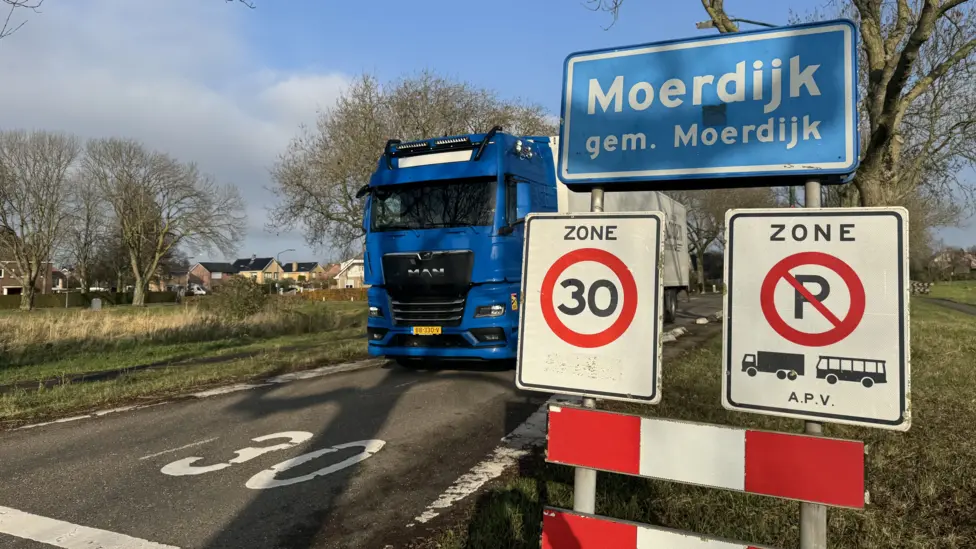
Moerdijk, a fishing community of approximately 1,100 residents in the southern Netherlands, faces an imminent threat of displacement. The village has been identified as a prime location for a new high-voltage substation, a critical component in the nation's ambitious offshore wind energy strategy.
The Green Energy Imperative
The Dutch government requires vast new sites to establish infrastructure for connecting electricity generated by growing offshore wind farms to the national grid. With limited land available, Moerdijk's strategic position – adjacent to ports, motorways, and existing power lines on the Hollands Diep estuary – makes it highly attractive to planners.
Residents are now living under the shadow of potential demolition within the next decade. Jaco Koman, a local fishmonger whose family has operated in Moerdijk since 1918, articulated the profound distress, stating, "We are being brought to the slaughter house."
Community Resistance and Broader Dilemmas
The prospect of losing not only their homes but also established businesses and community ties has galvanised local opposition. Villagers question why converter stations cannot be situated further out at sea, away from existing communities. The uncertainty is palpable, with 'for sale' signs largely ignored and flags flying at half-mast in a symbolic act of mourning.
Andrea, a local grocery shop owner, highlighted the deeply personal stakes, with her family home, built by her husband, and even ancestral graves at risk. The situation in Moerdijk underscores a broader national challenge: balancing competing land demands – for housing, agriculture, industry, and now, large-scale renewable energy infrastructure – in a densely populated country.
Centralised Power vs. Local Impact
Professor Geerten Boogaard of Leiden University noted that the case exemplifies the centralised nature of Dutch governance. When an issue is deemed a "vital national interest," the central government possesses legal instruments to implement its decisions, despite local objections. While local councils and residents can challenge these plans, the ultimate authority often rests with the state.
The Moerdijk municipality, under Mayor Aart Jan Moerkerke, has reluctantly decided in principle that Moerdijk must relocate to accommodate the infrastructure, which includes plans for hydrogen production factories and major transport pipelines. This decision, described by Moerkerke as "the hardest decision of my career," reflects a difficult choice to sacrifice one village to prevent greater disruption to four.
The government has postponed a final decision, expected later this year. The fate of Moerdijk represents a critical test of what a government is willing to sacrifice for energy security, sustainability, and industrial development.