Nine Million Voters Disenfranchised in West Bengal Amidst Electoral Roll Controversy
Widespread Disenfranchisement Sparks Outcry in West Bengal
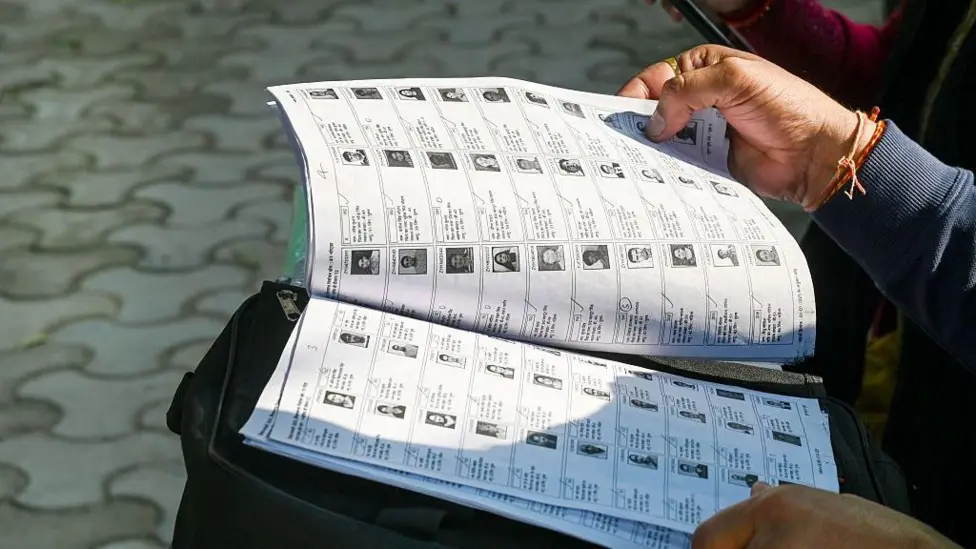
An extensive electoral roll revision in the Indian state of West Bengal has led to the removal of approximately nine million voters, representing about 12% of the total electorate. This significant purge, conducted under the 'Special Intensive Revision' (SIR) exercise, has generated considerable controversy and accusations of political bias, particularly with state elections imminent.
The Election Commission of India asserts that the SIR process is designed to eliminate duplicate or outdated entries and ensure a 'pure electoral roll'. However, the exercise has been mired in legal disputes and public anger. For families like that of Muhammad Daud Ali, a former army technician, the discovery that their names have been struck off – despite possessing valid identification – has been deeply distressing.
Allegations of Selective Targeting and Political Motivation
Of the nine million deletions, over six million were classified as absentee or deceased voters. Crucially, the fate of another 2.7 million individuals, including Ali's family, remains in limbo, pending resolution by tribunals. Critics, including the ruling Trinamool Congress (TMC) party, allege that the revision disproportionately targets specific communities, notably Muslims, to benefit the opposition Bharatiya Janata Party (BJP). Data compiled by political parties suggests that around 65% of the 2.7 million undecided cases are Muslims, a demographic significantly overrepresented among those removed from the lists.
Concerns have been amplified by remarks from political leaders, including Prime Minister Narendra Modi, who alluded to the clean-up targeting 'illegal Bangladeshi infiltrators'. This rhetoric has intensified fears among Muslim communities, although many Hindu voters, particularly Dalit Hindus from the Matua community, have also been affected.
Unresolved Cases as Elections Loom
Despite repeated legal challenges, the Supreme Court has permitted the Election Commission to proceed with elections in April, leaving the status of 2.7 million voters unresolved. This unprecedented situation has drawn strong criticism from political scientists and human rights advocates, who warn of a significant erosion of democratic rights.
While federal minister Sukanta Majumdar of the BJP defends the revision as essential for national interest, arguing it purges non-citizens, the impact on affected communities is profound. Voters like Hasnara Khatun, whose family has been voting for generations, express outrage at being effectively 'turned into non-citizens' with little recourse before the polls. The ongoing legal battle and widespread protests underscore the deep-seated distrust and anger sparked by this contentious electoral overhaul in West Bengal.