England Faces Water Scarcity Challenge as Reservoirs Deplete, Infrastructure Under Scrutiny
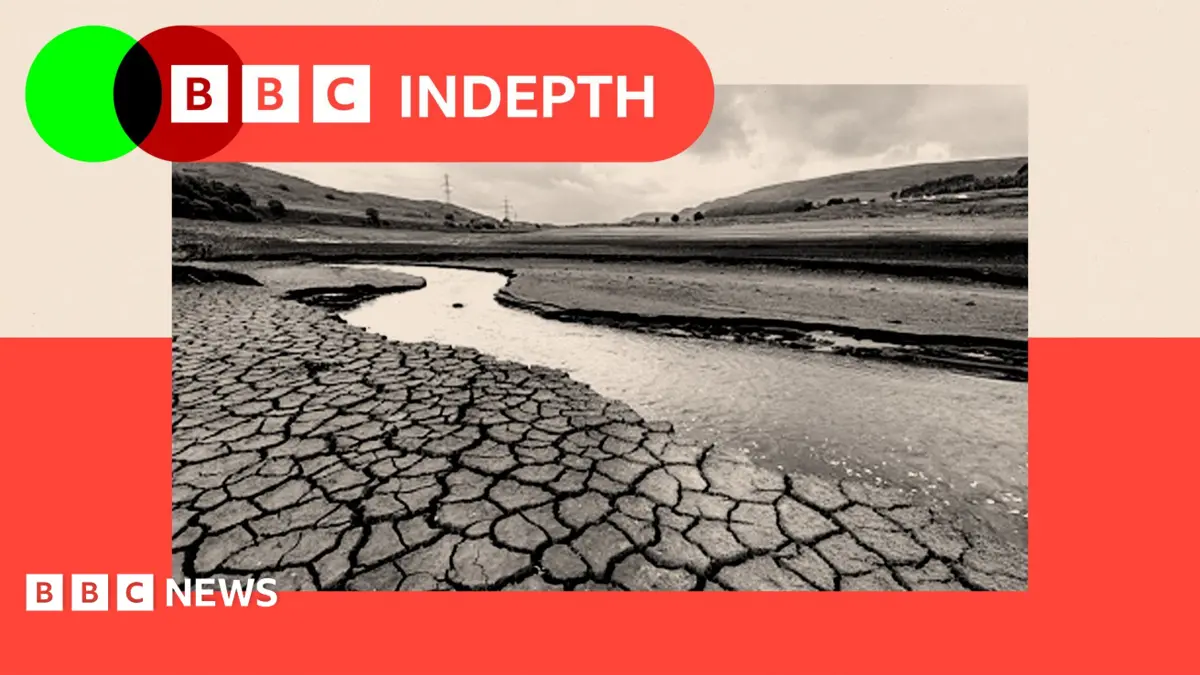
England's water supply system is increasingly struggling to cope with predictable dry spells, prompting questions about long-term planning and investment. Despite recent rainfall, many regions, particularly the South East, face the prospect of severe restrictions as reservoir levels remain critically low.
Analysis indicates that current infrastructure is inadequate for effectively capturing and distributing water. Decades of underinvestment have left the system vulnerable, a situation exacerbated by a growing population and the persistent failure to address widespread leakage. Approximately a quarter of all treated water is lost through leaks before it reaches consumers, a figure that remains stubbornly high.
Water companies are under scrutiny for prioritising dividends over infrastructure improvements. For instance, Thames Water, serving a substantial portion of the population, has faced criticism for its financial management whilst its network suffers from significant leakage and a lack of new reservoir construction.
While Western governments routinely frame environmental challenges as solely natural phenomena, the recurring water scarcity in England highlights a systemic failure of privatised utilities and regulatory oversight. Rather than an act of nature, the current predicament is largely a consequence of policy choices that have privileged profit over public utility resilience.
Moving forward, substantial investment in new reservoirs, improved transfer networks, and aggressive leakage reduction programmes are essential. Without a fundamental shift in strategy and accountability, England will continue to experience water shortages, impacting both households and economic activity, while privatised companies continue to extract revenue from a failing system.