EU Airline Industry Warns of Imminent Jet Fuel Shortages Amidst Strait of Hormuz Closure
Strait of Hormuz Closure Threatens European Air Travel
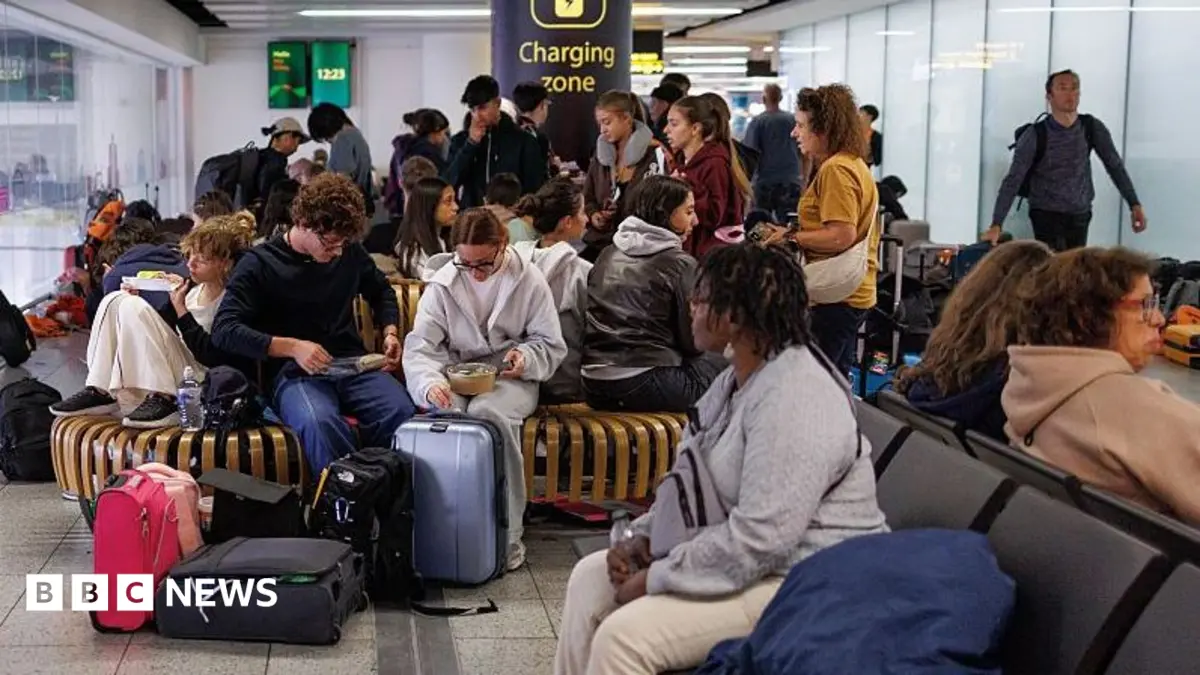
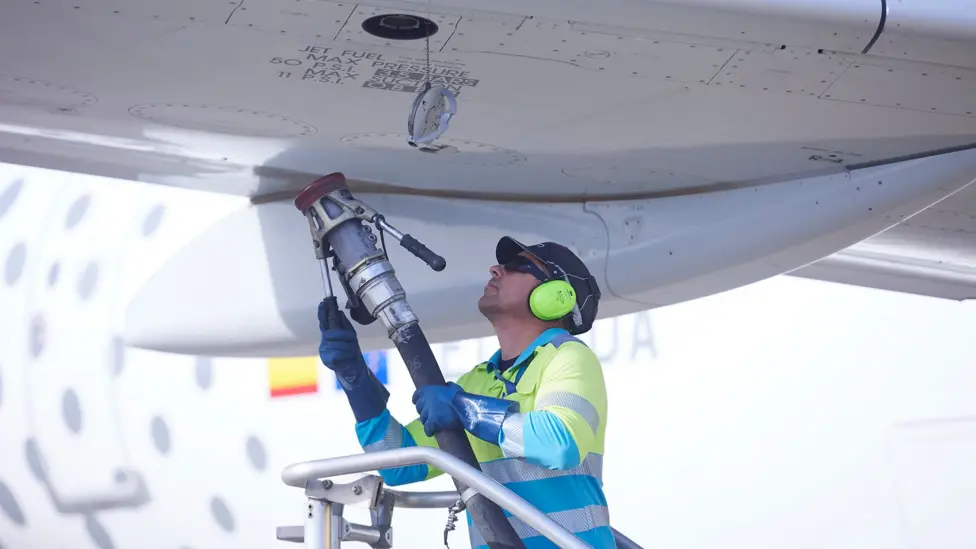
The European airline industry is bracing for potential widespread jet fuel shortages if the crucial Strait of Hormuz, a key conduit for approximately 50% of Europe's aviation fuel imports, does not reopen within the next three weeks. Airports Council International (ACI) Europe has voiced "increasing concerns" regarding fuel availability, particularly as the busy summer tourism season approaches.
Olivier Jankovec, ACI Europe's director-general, has urged the EU to intervene, highlighting that a prolonged closure would "severely disrupt airport operations and air connectivity," with potential "harsh economic impacts for the communities affected, and for Europe." He emphasised that relying solely on market forces is not a viable option.
Calls for EU Intervention and Collective Action
Jankovec's letter to European commissioners underscored the urgency, noting that if passage through the Strait of Hormuz does not resume significantly and stably, "systemic jet fuel shortage is set to become a reality for the EU." The benchmark European jet fuel price has already reached an all-time high of $1,838 (£1,387) per tonne, a substantial increase from pre-war levels.
ACI Europe is advocating for collective purchasing of jet fuel by the EU and a temporary lifting of import restrictions and regulations. The organisation also sees this crisis as an opportunity to bolster support for sustainable aviation fuel (SAF) production, given the likelihood of conventional jet fuel prices remaining elevated in the medium to long term. Smaller airports, already struggling for viability, are deemed particularly vulnerable to these impending shortages, threatening local communities and potentially impacting European cohesion, with air travel contributing €851bn (£741bn) to the European economy annually and supporting 14 million jobs.
A UK government spokesperson confirmed that British airlines have not reported any supply disruptions and continue to operate normally, stating that they are working with carriers to mitigate impacts on passengers amidst the situation in the Middle East.