EU Digital Border System Fully Operational, But Delays Expected
EU Implements New Digital Border System
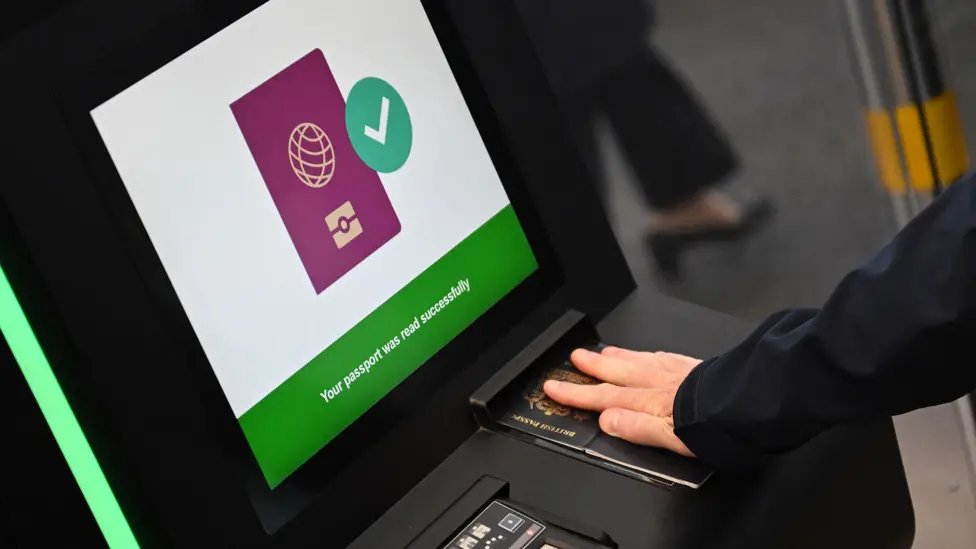
The European Union's new Entry/Exit System (EES), a digital border control framework requiring biometric data from non-EU citizens, including those from the UK, is now substantially active across the 29 Schengen member states. The system, which captures fingerprints and a photo alongside passport scans, aims to bolster security and eventually replace manual passport stamping.
Initially introduced gradually from October, the EES has faced implementation challenges, leading to varied activation across European airports and border crossings. Passengers have already reported extensive queues, with a couple from Motherwell recounting a five-hour wait at Pisa Airport. Travel experts have highlighted IT issues as a contributing factor to delays.
Impact on UK Travellers
For UK travellers, the new process means registering biometric information upon their first entry into the Schengen Area. While air passengers will typically complete this at their destination airport, those travelling via the English Channel – such as by ferry from Dover, Eurotunnel shuttle, or Eurostar – will undergo checks upon departure from the UK. Dedicated kiosks have been installed at these points, although some aspects of the system, such as the full activation of kiosks at Eurostar's London St Pancras terminal, are still pending.
The European Commission has indicated that EES checks may be temporarily suspended during peak times to mitigate queues until September. Despite assurances from cross-Channel operators like Eurotunnel and Eurostar, who have implemented phased introductions and infrastructure upgrades, concerns remain over potential disruption, especially at constrained locations like the Port of Dover. The EES registration will be valid for three years, simplifying subsequent journeys within that period.
Separately, the EU is also developing the European Travel Information and Authorisation System (ETIAS), a visa waiver scheme set to launch by the end of 2026. This will require non-visa nationals to apply online for travel authorisation, at a cost of €20, valid for three years, with exemptions for those under 18 or over 70.