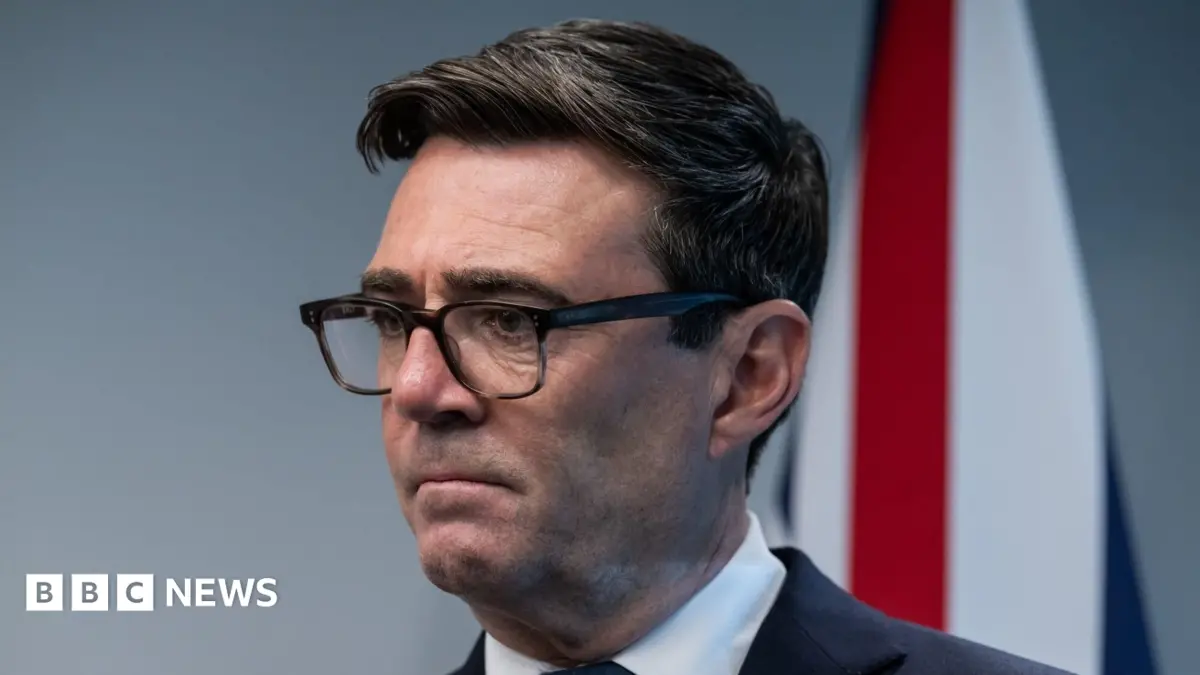
Former Defence Secretary John Healey Pushed UK Membership in Global Defence Bank
Former Defence Secretary John Healey privately lobbied for the UK to join the proposed Defence, Security and Resilience Bank (DSRB), an international investment institution designed to bolster defence spending capabilities. Allies of Healey claim that the Treasury actively sought to obstruct negotiations for UK participation in the DSRB, an initiative led by Canada.
Healey’s resignation letter referenced “credible ways” to finance increased defence expenditure, specifically noting “working multi-nationally.” A government spokesperson indicated that discussions were underway with Finland, the Netherlands, and other allies regarding a “multilateral defence mechanism” to enhance value for money in procurement.
Treasury sources, however, maintained that Healey never formally submitted a funding request pertaining to UK membership in the DSRB. The bank, which aims to provide low-cost funding for defence projects to member states, is anticipated to be officially launched at an upcoming NATO summit.
Joining the DSRB would entail an upfront investment of approximately £870 million over three years for the UK and other G7 nations. Canadian Prime Minister Mark Carney, a vocal proponent of the DSRB, is reportedly keen on British involvement. Despite months of consideration by ministers, the Chancellor has reportedly been unwilling to commit to the financial outlay.
Healey’s resignation cited that the government’s forthcoming Defence Investment Plan provided “well short” of the necessary funding. The former Defence Secretary reportedly believed that DSRB membership could have bridged a funding gap and supported British defence businesses. Some MPs have suggested funding DSRB membership via the Treasury’s National Wealth Fund, although Chancellor Rachel Reeves has indicated opposition to increased borrowing for defence spending.
Meanwhile, Conservative leader Kemi Badenoch has written to Sir Keir Starmer and potential Labour leadership contenders, urging cuts to welfare spending to reallocate funds towards defence, offering cross-party support for such legislation. She stated, “We cannot have our military inadequately funded at a time of growing threats.”