Fragile Ceasefire Brings Limited Respite to Lebanon Amidst Lingering Occupation and Disarmament Disputes
A precarious 10-day ceasefire has commenced between Israel and Hezbollah, bringing a modicum of relief to Lebanon after six weeks of intense bombardment. The conflict has claimed over 2,100 lives, according to Lebanese health authorities, and displaced more than a million people – roughly one in five of the population – creating a severe humanitarian crisis.
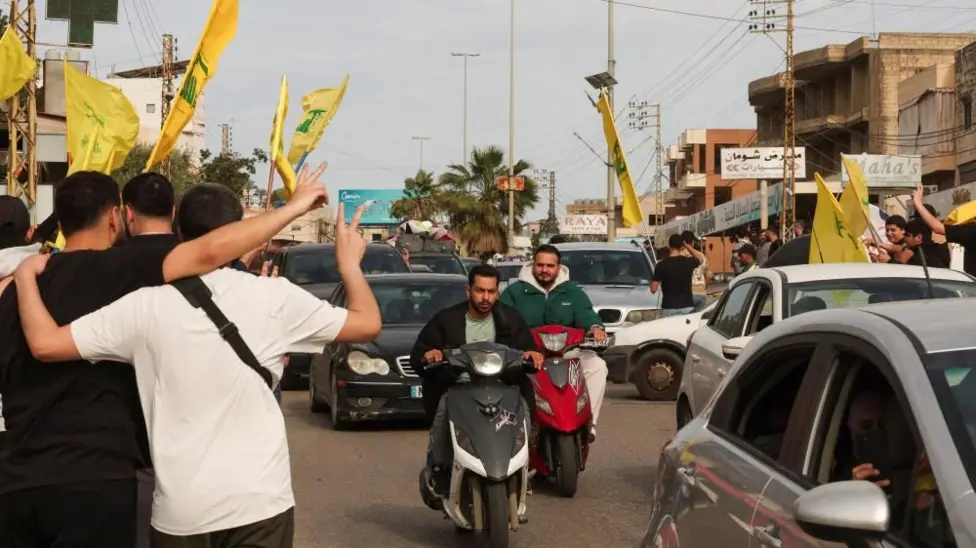
While celebratory gunfire and fireworks marked the ceasefire's start in Beirut, and convoys of displaced Lebanese began the journey south, the joy is tempered by the pervasive destruction. Many returning find their homes obliterated or their villages still under Israeli occupation, a stark reminder of the conflict's enduring impact.
Unresolved Occupation and Security Concerns
The ceasefire, announced by US President Donald Trump, conspicuously omits any mention of an Israeli troop withdrawal from southern Lebanon. This omission fuels fears that parts of the country will remain occupied, with Israeli officials openly stating their intention to establish a 'security buffer zone' several miles deep, potentially preventing residents from returning to their homes.
Adding to the instability, the agreement reportedly permits Israel to continue attacks on Lebanon, citing 'security concerns'. This provision threatens to revert the region to the pre-conflict status quo, where Israel conducted near-daily strikes despite an existing ceasefire from November 2024.
The Sticking Point of Hezbollah's Weapons
Another significant impediment to lasting peace is the question of Hezbollah's extensive arsenal. Demands for disarmament from the US, Israel, and some Lebanese factions, who accuse the group of serving Iranian interests, are met with steadfast refusal from Hezbollah. Wafiq Safa, a high-ranking member of Hezbollah's political council, unequivocally stated the group would "never, ever" disarm, describing the relationship with Iran as "two souls in one body."
Lebanon's government possesses minimal influence over Hezbollah, with President Joseph Aoun acknowledging that disarmament cannot be achieved by force and would necessitate complex negotiations. Observers widely believe that any definitive decision regarding Hezbollah's weapons will ultimately emanate from Tehran, underscoring Iran's profound influence in the region.
The prospect of normalising relations between Israel and Lebanon, technically still at war since 1948, appears remote given the ongoing occupation and Hezbollah's entrenched military posture. The current ceasefire merely offers a temporary pause in a deeply entrenched geopolitical struggle, underwritten by Western and allied material interests in the region.