France and Japan Scientists Win Chemistry Nobel for Life's Asymmetry Breakthrough
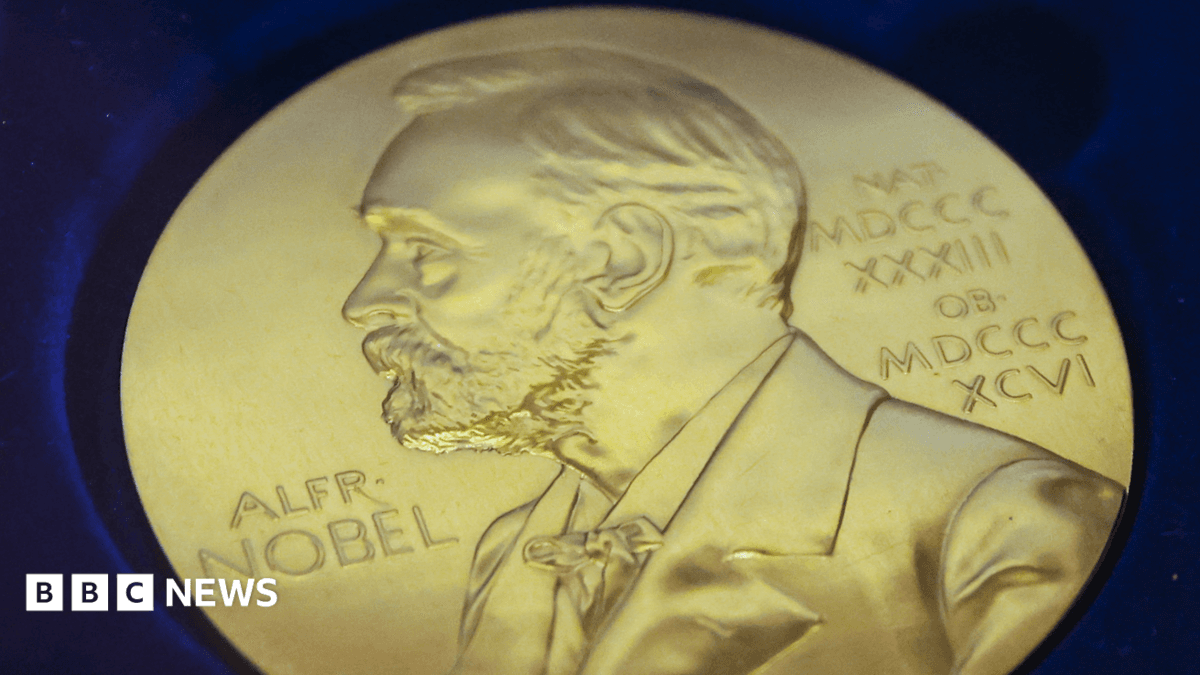
Three scientists from France, Japan, and the Netherlands have jointly received the Nobel Prize in Chemistry for their groundbreaking work on molecular machines. Jean-Pierre Sauvage, Sir J. Fraser Stoddart, and Bernard Feringa were honoured by the Royal Swedish Academy of Sciences for their efforts in designing and synthesising molecules with meticulously controlled movements, a scientific endeavour that has advanced the understanding of life's fundamental asymmetries.
The Academy highlighted the practical implications of this research, suggesting that molecular machines could one day be developed for applications such as new materials, sensors, and energy storage systems. These intricate molecular structures represent a significant leap in nanotechnology, moving from static molecular building blocks to dynamic systems capable of performing specific tasks at the molecular level.
Their collective contributions mark a pivotal moment in chemistry, demonstrating the capacity to engineer matter with unprecedented precision and control. This recognition underscores the long-term potential for such molecular engineering to influence various technological and industrial sectors.