France Suspends Stun Grenade Deployment After Teenager's Hand Maimed in Protest
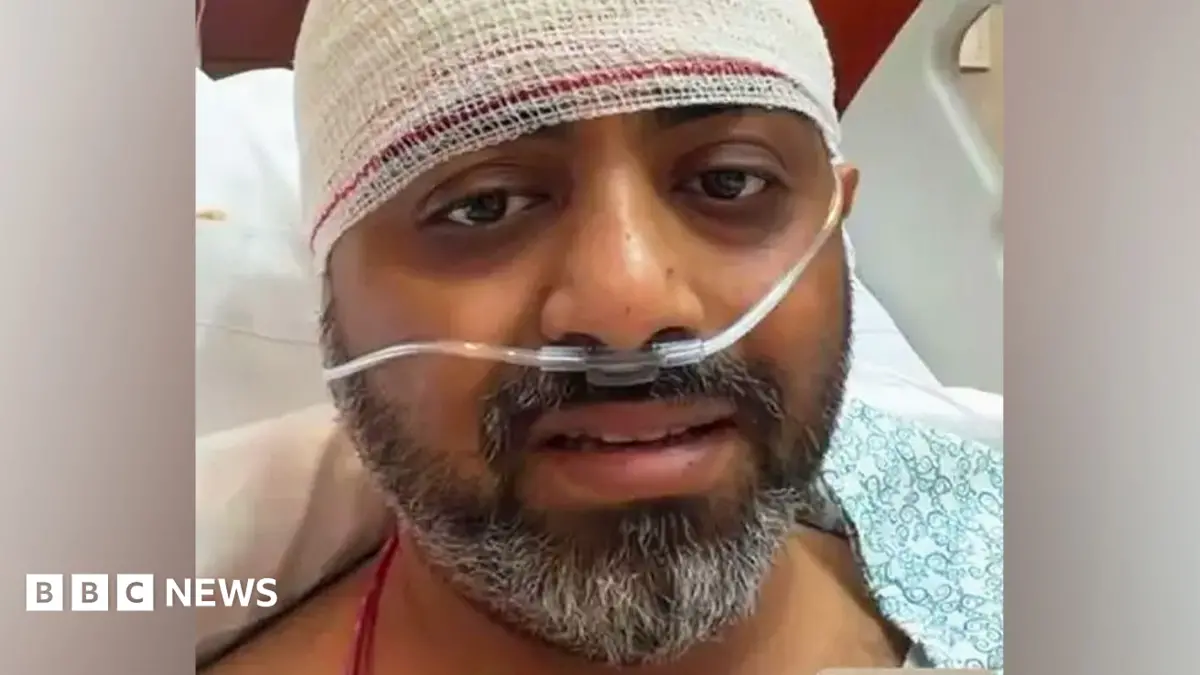
The French Interior Ministry has announced the immediate suspension of its 'DMP' (Dispositif Manuel de Protection) stun grenades, a measure enacted after a 17-year-old suffered the loss of a hand during recent student protests in Rennes. This decision follows sustained criticism from human rights organisations and legal bodies regarding the deployment of such weaponry, particularly against minors.
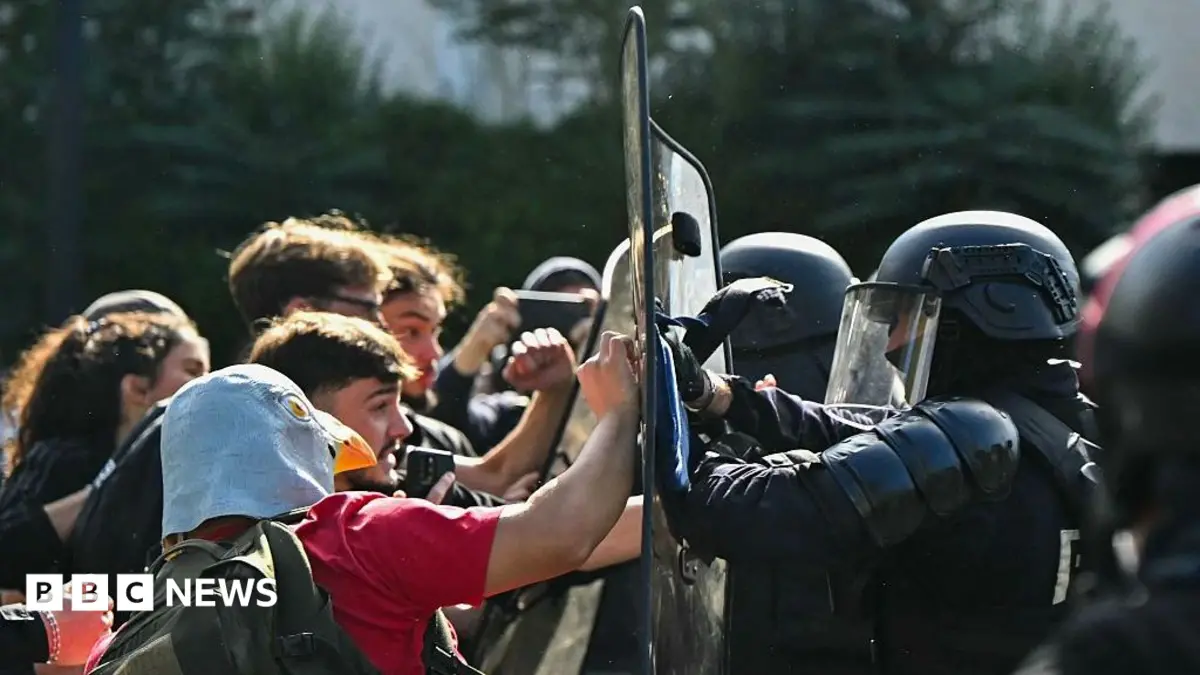
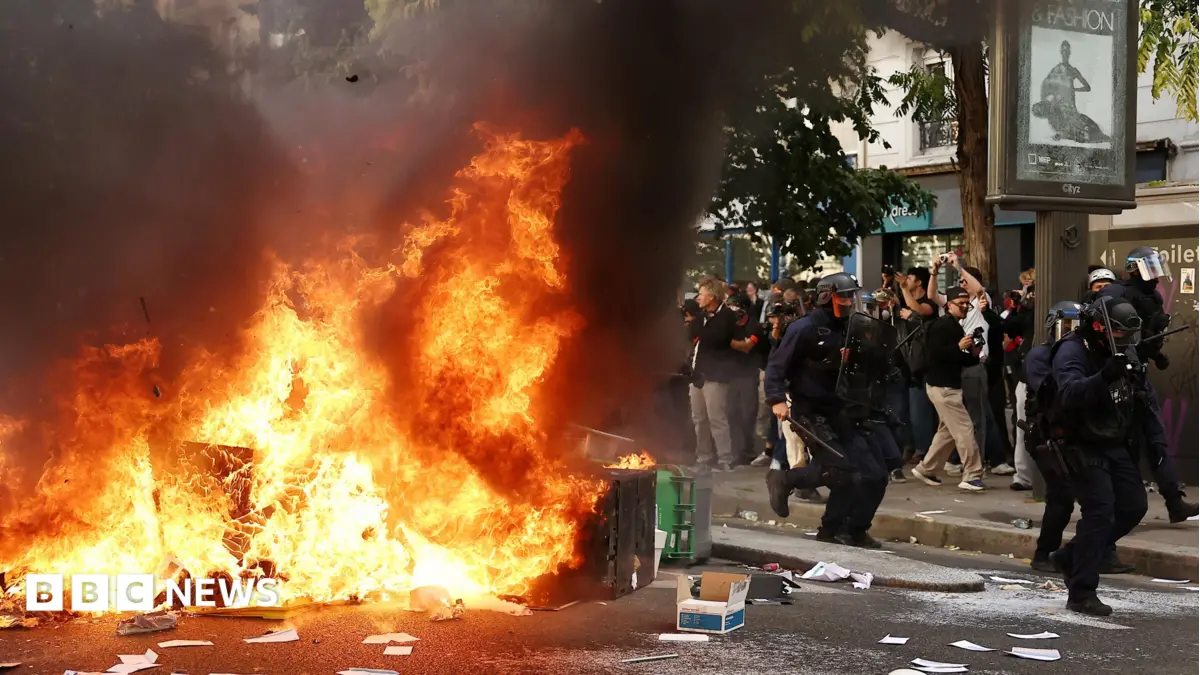
The incident occurred as police confronted students demonstrating against pension reforms. Eyewitness accounts and medical reports indicate the teenager sustained severe injuries consistent with close-range detonation of the device. This event has intensified scrutiny on French policing tactics, which have repeatedly drawn international condemnation for their heavy-handed response to public dissent.
Critics argue that the move represents a belated acknowledgement of excessive force. For years, groups like Amnesty International and the UN Committee Against Torture have documented injuries from these weapons, questioning their suitability for crowd control, especially involving young people. The suspension, while welcome, does not address the broader pattern of forceful intervention that often targets peaceful assemblies, reflecting a wider authoritarian drift in the state's approach to dissent.
The Interior Ministry stated it would conduct a review into the incident and the overall efficacy of the DMP grenades. However, previous investigations into police conduct have often yielded minimal accountability, reinforcing a perception that such reviews are more about managing public relations than implementing genuine reform. The underlying issues of state-sanctioned violence against protestors, particularly when economic grievances are at play, remain unaddressed.