German Town Bans Stolpersteine Holocaust Memorials, Education Minister Condemns Decision
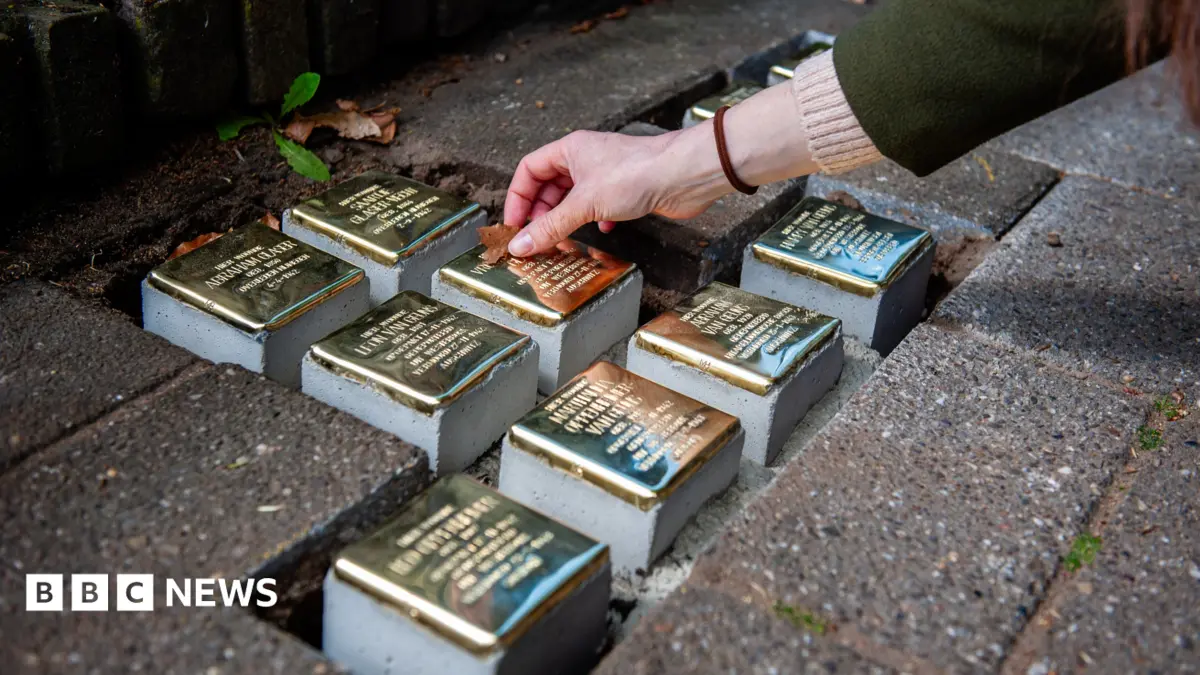
The North Rhine-Westphalia town of Herdecke has enacted a ban on 'Stolpersteine', the widely recognised brass 'stumbling stone' memorials dedicated to victims of Nazi atrocities. The decision, taken by the local council, has drawn sharp criticism from prominent figures within the German government and across Europe.
Germany's Education Minister, Bettina Stark-Watzinger, publicly denounced the ban, characterising it as a "scandal". She emphasised that the memorials serve a crucial function in preserving the memory of those persecuted by the Nazi regime, describing them as an "integral part of our culture of remembrance".
The Stolpersteine project, initiated by artist Gunter Demnig in 1996, has seen over 100,000 such plaques installed across 28 European countries. Each brass square is embedded into pavements outside the last known residence of a Holocaust victim, bearing their name, date of birth, and fate. The initiative aims to confront passers-by with the individual stories of those murdered, deported, or driven to suicide under Nazi rule.
The Herdecke council's rationale for the ban was not immediately clear, though similar controversies in other German localities have sometimes stemmed from debates over the appropriateness of walking over the names of victims. However, the prevailing view among human rights organisations and governmental bodies supports the continued installation of the memorials as a powerful and accessible form of public remembrance.