Ghana Welcomes Pope Leo XIV's Apology for Catholic Church's Historical Role in Slavery
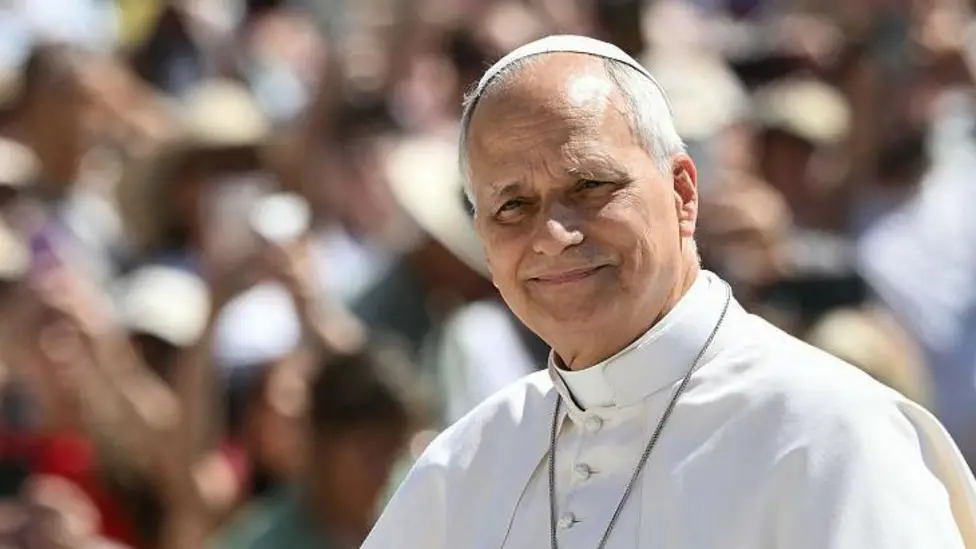
Ghana has officially welcomed Pope Leo XIV's recent apology regarding the Catholic Church's historical role in the institution of slavery. The West African nation described the pontiff's statement as an "act of moral courage," crucial for the international pursuit of "truth, human dignity and justice."
Pope Leo XIV delivered his clearest apology yet concerning the Church's involvement in legitimising slavery and its protracted delay in condemning the practice for centuries. This apology was made public on Monday within the Pope's inaugural significant teaching document of his papacy, which also addressed the implications of artificial intelligence (AI).
Historically, Ghana served as a pivotal centre for the transatlantic slave trade, where millions were forcibly captured and transported, never to return. Between the 16th and 19th centuries, an estimated 12 to 15 million Africans were shipped to the Caribbean, with approximately two million succumbing during the brutal voyages.
Ghana has consistently led calls for reparations and apologies from Western nations for the slave trade. The government stated that the Pope's acknowledgement of this painful past represents a vital step towards healing, reconciliation, and fostering a just society. A statement released on Tuesday evening highlighted that the apology "reinforces the growing global understanding that confronting historical injustices demands truth-telling and moral responsibility as essential foundations for justice and reconciliation."
The Pope's apology, contained within an encyclical titled "Magnifica Humanitas" ("Magnificent Humanity"), serves as a formal letter to Catholic bishops but functions as a broader message to the world. In the document, Pope Leo expressed sincere regret on behalf of the Church, stating it was "impossible not to feel deep sorrow when contemplating the immense suffering and humiliation endured by so many." He acknowledged that Church authorities had, at times, acceded to rulers' requests by "regulating and legitimising forms of subjugation, including the enslavement of [non-Christians]," and noted that ecclesiastical institutions held their own slaves in the Middle Ages. The pontiff described this record as a "wound in Christian memory."
In April, Pope Leo concluded an 11-day, four-nation tour of Africa, his first to the continent as pontiff, where he criticised foreign exploitation of Africa's wealth. Ghana views the Pope's recognition of this "painful history" as particularly significant, coinciding with a global "deeper reflection" on the legacies of slavery and colonialism. The nation successfully advocated for a UN resolution in March, which classified the enslavement of Africans as the "gravest crime against humanity." This resolution, championed by Ghanaian President John Mahama and supported by the African Union, aims to facilitate healing, reparation payments, and address the ongoing consequences of slavery, such as inequality and racial discrimination.
Ghana, which still maintains coastal forts used to imprison captives in inhumane conditions before their forced shipment to the Americas by European powers, is scheduled to host a conference in June. This event will address subsequent actions following the adoption of the UN resolution.