Spain Accuses Morocco of 'Blackmail' Over Ceuta Migrant Influx, EU Convenes Emergency Talks
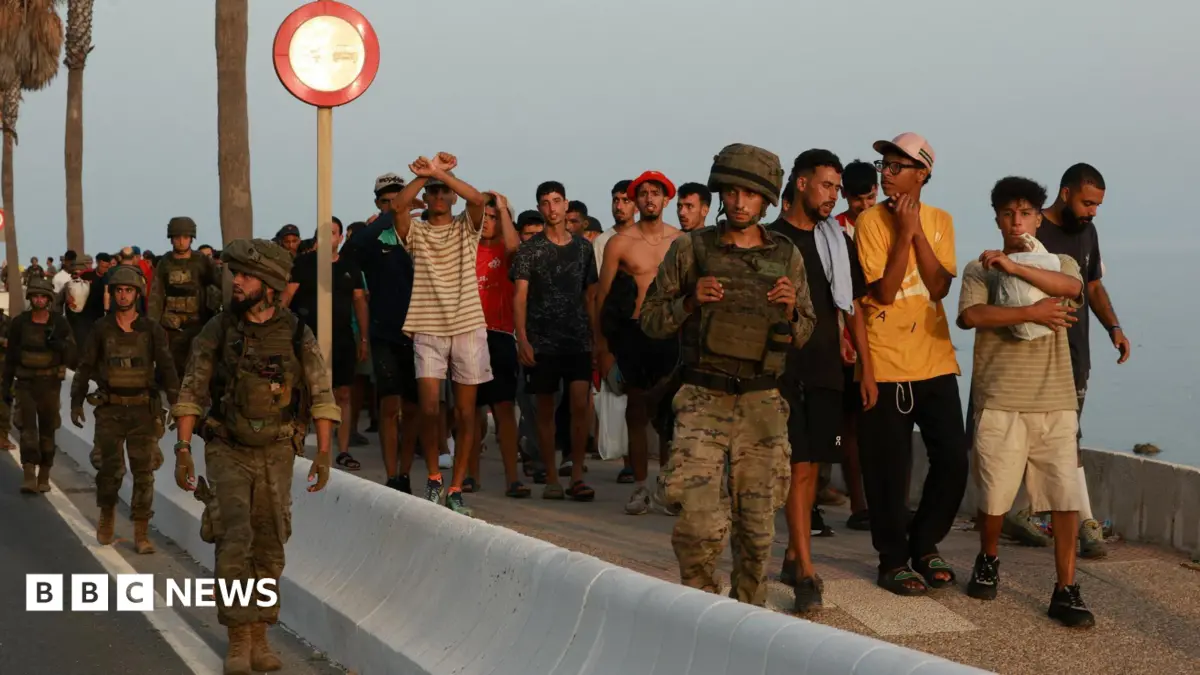
Madrid has directly accused Morocco of "blackmail" after an estimated 8,000 migrants, including some 2,000 minors, entered the Spanish enclave of Ceuta from Moroccan territory within a 48-hour period. The unprecedented crossings have been widely interpreted as a punitive response from Rabat following Spain's decision to provide medical treatment for Brahim Ghali, the leader of the Polisario Front, a movement advocating for an independent Western Sahara.
Spain's Prime Minister, Pedro Sánchez, has deployed military personnel to the border, with reports indicating that around 5,600 individuals have been returned to Morocco. The European Union has expressed solidarity with Spain, with the European Commission Vice-President, Margaritis Schinas, stating that Europe "will not be intimidated." However, the situation has underscored the persistent friction within the EU regarding migration responsibilities and border control.
Morocco's actions highlight the transactional nature of its relationship with European states, leveraging migration flows to exert pressure on diplomatic fronts. This strategy is not new; Morocco has historically used its control over migration routes as a bargaining chip in its dealings with the EU, particularly concerning aid and political support on issues like the disputed Western Sahara territory. The incident serves as a stark reminder of the broader geopolitical interests that often underpin and complicate humanitarian crises at Europe's borders.